Old Cartoons: Classic, Old School & Timeless Animated Shows
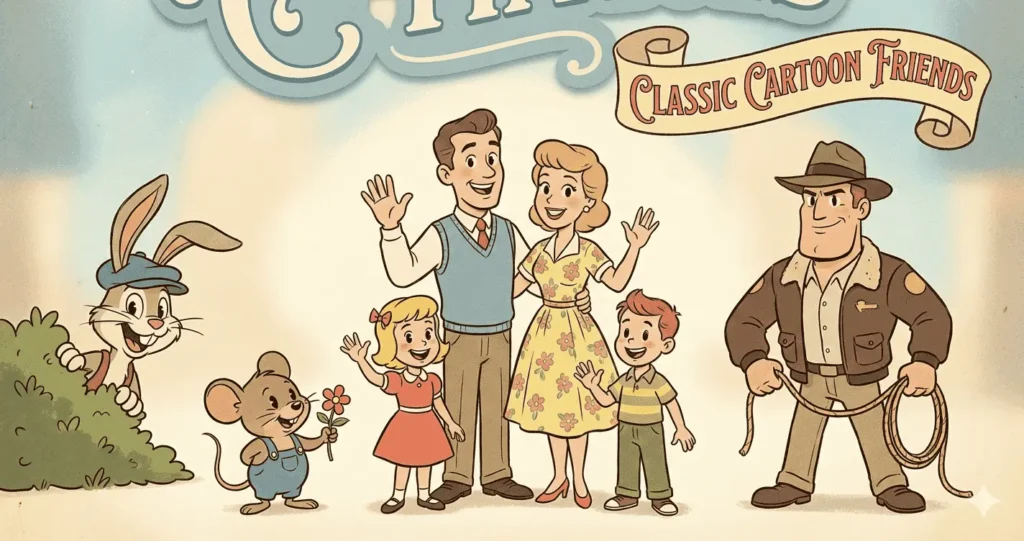
Old cartoons represent more than nostalgic childhood memories—they form the foundation of modern animation and continue influencing storytelling, visual design, and popular culture decades after their original broadcasts. From theatrical shorts of the 1930s to Saturday morning staples of the 1980s and 90s, these animated treasures introduced generations to unforgettable characters, groundbreaking techniques, and timeless entertainment that transcends age and era.
The enduring appeal of classic animated shows stems from both nostalgia and genuine artistic merit. Many old cartoons pioneered animation techniques still used today, from Disney’s multiplane camera creating depth in early films to limited animation styles that maximized expressiveness within budgetary constraints. These shows shaped how stories are told through animation, establishing conventions and breaking rules that modern creators continue to reference and reinvent.
Understanding old cartoons requires appreciating them on multiple levels. While nostalgia draws many viewers back to childhood favorites, historical importance elevates these works beyond personal sentiment. Classic cartoons documented cultural moments, pushed technological boundaries, and sometimes challenged social norms through the unique lens animation provides. Whether you’re rediscovering beloved shows from your youth or exploring animation history for the first time, old cartoons offer a fascinating window into how entertainment, technology, and society have evolved together.
What Defines Old School Cartoons?
The term “old school cartoons” encompasses several distinct periods in animation history, each with unique characteristics shaped by technological capabilities, cultural contexts, and creative philosophies. Understanding these eras helps appreciate how animation evolved from experimental novelty to sophisticated art form.
The Golden Age of Animation (approximately 1928-1960) represents the theatrical era when animated shorts appeared before feature films in movie theaters. Studios like Disney, Warner Bros., MGM, and Fleischer Productions created iconic characters and refined animation as an art form. This period introduced synchronized sound in animation, full-color Technicolor processes, and increasingly sophisticated storytelling. The Golden Age established many foundational animation principles still taught today, from squash-and-stretch to anticipation and follow-through.
The Classic Television Era (1960s-1970s) marked animation’s transition from theatrical shorts to made-for-TV programming. Studios adapted to television’s demands and smaller budgets by developing limited animation techniques that emphasized strong character design, clever writing, and strategic movement. Saturday morning cartoons became cultural institutions, with families gathering weekly for new episodes. This era introduced serialized storytelling to animation and created shows specifically designed for home viewing rather than theatrical exhibition.
The Cable Television Boom (1980s-1990s) revolutionized cartoon accessibility and variety. Networks like Nickelodeon, Cartoon Network, and dedicated programming blocks on broadcast channels provided unprecedented amounts of animated content. This period, often referenced as old cartoons 90s era alongside its immediate predecessors, saw animation quality improve dramatically while maintaining the creative experimentation of earlier decades. Shows from this period balanced nostalgia for Golden Age aesthetics with contemporary storytelling sensibilities.
Old school cartoons share several defining characteristics across eras: hand-drawn animation processes, cel-based production techniques, episodic or short-form storytelling, and animation styles that emphasized personality and expressiveness over photorealism. The cultural and educational impact of these shows extended beyond entertainment, teaching moral lessons, introducing vocabulary, and providing shared cultural experiences that united generations of viewers.
Best Old Cartoons by Era
Golden Age Classics (1930s-1960s)
Looney Tunes and Merrie Melodies (Warner Bros., 1930-1969)
Warner Bros. theatrical shorts defined American animation humor with anarchic comedy, sophisticated cultural references, and characters like Bugs Bunny, Daffy Duck, and Porky Pig who became cultural icons. The studio’s animators, including Chuck Jones, Friz Freleng, and Tex Avery, pioneered comedic timing and visual gags that influenced comedy across all media. These shorts were nominally aimed at all ages but included clever adult humor that rewarded sophisticated viewers, making them truly multigenerational entertainment.
Tom and Jerry (MGM, 1940-1967)
This series of theatrical shorts featuring a cat-and-mouse rivalry showcased the pinnacle of animation craftsmanship. Creator William Hanna and Joseph Barbera delivered beautifully animated slapstick comedy with minimal dialogue, proving animation could tell compelling stories through visual storytelling alone. Tom and Jerry won seven Academy Awards during its original run, demonstrating animation’s artistic legitimacy.
Popeye the Sailor (Fleischer Studios/Famous Studios, 1933-1957)
These theatrical shorts adapted the popular comic strip character into one of animation’s most recognizable figures. The Fleischer Studios entries particularly showcased innovative animation techniques and surreal visual styles that distinguished them from competitors. Popeye’s adventures combined action, comedy, and surprisingly sophisticated animation that pushed technical boundaries.
Classic Television Era (1960s-1970s)
The Flintstones (ABC, 1960-1966)
Television’s first primetime animated series proved animation could succeed in evening programming aimed at families. This prehistoric sitcom parodied contemporary suburban life through a Stone Age lens, featuring Fred, Wilma, Barney, and Betty in situations that mirrored modern middle-class experiences. The show’s success opened doors for future primetime animation.
Scooby-Doo, Where Are You! (CBS, 1969-1970)
Hanna-Barbera’s mystery-solving teenagers and their cowardly Great Dane created a formula that spawned countless iterations and influenced mystery storytelling across media. The show’s combination of spooky atmosphere, comedic characters, and satisfying puzzle-solving made it endlessly rewatchable and established conventions still used in children’s programming.
Speed Racer (Syndicated, 1967-1968)
This Japanese import introduced American audiences to anime aesthetics and storytelling styles. Speed Racer’s action sequences, dramatic storylines, and distinctive visual style influenced a generation of animators and demonstrated international animation’s appeal to Western audiences.
Cable Television Boom (1980s-Early 1990s)
He-Man and the Masters of the Universe (Syndicated, 1983-1985)
This action-adventure series exemplified 80s and old cartoons sensibilities with its toy-based storytelling, moral lessons, and fantasy world-building. While often cited as a lengthy toy commercial, He-Man featured surprisingly engaging mythology and character development that transcended its commercial origins.
Teenage Mutant Ninja Turtles (Syndicated/CBS, 1987-1996)
Four mutant turtles trained in ninjitsu became a cultural phenomenon that demonstrated animation’s merchandising power and storytelling potential. The show balanced action, humor, and character dynamics in ways that appealed to children while establishing a multimedia franchise that continues today.
DuckTales (Syndicated, 1987-1990)
Disney’s triumphant return to television animation featured Scrooge McDuck and his nephews in globe-trotting adventures. The show’s theatrical-quality animation, adventure storytelling, and memorable theme song set new standards for weekday afternoon programming and helped launch the Disney Afternoon programming block.
Old Disney Cartoons
Disney’s animation legacy began with theatrical shorts in the 1920s and evolved into the studio that defined American animation. Old Disney cartoons encompass several categories, each contributing uniquely to animation history and children’s entertainment.
Classic Disney Theatrical Shorts (1928-1960s) introduced Mickey Mouse, Donald Duck, Goofy, and other characters who became global icons. These shorts showcased Disney’s commitment to animation quality and innovation, winning numerous Academy Awards and establishing the studio’s reputation for excellence. The Silly Symphonies series (1929-1939) served as an experimental laboratory where Disney artists developed techniques later used in feature films.
Disney Television Animation (1980s-1990s) marked the studio’s return to regular animated series after decades focusing on theatrical features. Shows like DuckTales, Chip ‘n Dale: Rescue Rangers, TaleSpin, and Darkwing Duck demonstrated that Disney could maintain high production values in the television format. These series introduced complex storytelling, ongoing character development, and cinematic animation quality unprecedented in daily television programming.
The influence of old Disney cartoons extends far beyond entertainment. Disney established many animation principles and techniques that became industry standards. The studio’s emphasis on story, character development, and production quality influenced competitors and inspired generations of animators. Disney cartoons introduced millions of children worldwide to animation as an art form and created characters that have remained culturally relevant for nearly a century.
Disney’s early television work also demonstrated how classic characters could successfully transition to new formats and audiences. By adapting theatrical short characters into television series with ongoing storylines, Disney showed that animation could support extended narratives while maintaining the charm and humor of shorter formats.
Where to Watch Old Cartoons Online
The digital age has made classic animation more accessible than ever, though navigating legal viewing options requires understanding which platforms offer specific content and what limitations exist.
Legal Streaming Platforms provide the most reliable and highest-quality viewing experiences. Major services like Disney+ offer extensive libraries of old Disney cartoons, including theatrical shorts and television series. HBO Max features Warner Bros. content including Looney Tunes collections. Paramount+ hosts classic Nickelodeon shows, while Peacock provides access to DreamWorks and Universal animation. Amazon Prime Video and Apple TV offer various classic cartoons for rental or purchase.
Free Legal Archives exist for public-domain content. The Internet Archive maintains extensive collections of cartoons whose copyrights have expired, allowing anyone to watch old cartoons online free legally. These archives include many Golden Age theatrical shorts, independent animations, and international works. Public television stations and library digital collections sometimes stream classic cartoons as part of cultural preservation efforts.
Subscription Services vs. Free Options present different advantages. Paid streaming platforms offer better video quality, reliable availability, and curated collections but require monthly fees. Free options provide accessibility but may have lower video quality, limited selections, or advertisements. When viewers search to watch old cartoons online free, they should prioritize legal sources to support content preservation and avoid piracy.
Physical Media remains relevant for serious collectors and those seeking complete series. Many classic cartoons receive DVD and Blu-ray releases with restored video quality and bonus features unavailable through streaming. Physical media also provides viewing independence from streaming platforms’ changing libraries and licensing agreements.
Understanding viewing options helps audiences make informed choices about accessing animation history while respecting intellectual property rights and supporting preservation efforts.
Why Old Cartoons Still Matter Today
Classic cartoons continue resonating with modern audiences because great storytelling and compelling characters transcend their creation dates. Many old school cartoons addressed universal themes—friendship, courage, curiosity, humor—that remain relevant regardless of animation style or technological limitations. The creativity demonstrated by animators working within technical and budgetary constraints often produced more imaginative solutions than unlimited resources might allow.
Educational value persists in many classic cartoons. Shows from various eras taught problem-solving, critical thinking, and social skills through entertaining narratives. While some content requires historical context to understand attitudes and representations from past decades, many cartoons presented progressive ideas and diverse perspectives ahead of their times.
The artistic influence of old cartoons appears throughout modern animation. Contemporary creators regularly reference, homage, and reimagine classic shows, creating dialogue between animation’s past and present. Understanding old cartoons provides context for appreciating how modern animation has evolved and what foundational principles remain constant.
For new generations discovering these shows, old cartoons offer windows into different eras while delivering timeless entertainment. Parents sharing childhood favorites with their children create intergenerational bonds through shared viewing experiences. This cultural continuity demonstrates that well-crafted animation can speak to audiences across decades, maintaining relevance through quality rather than just nostalgia.
FAQ’s:
What are the best old cartoons of all time?
The best old cartoons include Looney Tunes and Merrie Melodies, Tom and Jerry, Popeye the Sailor, The Flintstones, Scooby-Doo, Mickey Mouse theatrical shorts, DuckTales, and Teenage Mutant Ninja Turtles. These shows demonstrated exceptional animation quality, memorable characters, and lasting cultural impact across multiple generations.
Where can I watch old cartoons online?
Old cartoons are available on streaming platforms like Disney+, HBO Max, Paramount+, and Peacock. The Internet Archive offers free, legal access to public-domain cartoons. Many classic shows are also available for purchase or rental on Amazon Prime Video and Apple TV. Always choose legal sources to support preservation efforts.
Are old cartoons still suitable for kids today?
Many old cartoons remain appropriate and entertaining for modern children, though some content reflects outdated social attitudes requiring parental context. Classic shows often emphasize creativity, problem-solving, and imagination. Parents should preview content to ensure it aligns with their family values and use older cartoons as opportunities for discussions about historical context and social progress.
What are old school cartoons?
Old school cartoons refer to animated shows from earlier eras, typically including Golden Age theatrical shorts (1930s-1960s), classic television animation (1960s-1970s), and early cable era shows (1980s-1990s). These cartoons feature hand-drawn animation, episodic storytelling, and distinctive artistic styles that differ from modern digital animation techniques.
Why do old cartoons look different from modern cartoons?
Old cartoons used hand-drawn, cel-based animation processes rather than digital techniques. Artists painted each frame individually, creating distinctive visual textures and styles. Technical limitations and budgetary constraints led to creative solutions like limited animation, resulting in characteristic movement styles and visual approaches that define different eras of animation history.
Read More: