Best Cartoons for Kids: Timeless, Educational & Fun Favorites
Cartoons have been a cornerstone of childhood for generations, offering more than just entertainment. The best kids cartoons serve as learning tools, emotional guides, and sources of creativity that shape how children understand the world around them. From early morning viewing rituals to streaming marathons on family movie nights, animated shows occupy a special place in family life and childhood development.
Modern research in early childhood education consistently demonstrates that quality children’s programming can positively impact literacy development, social-emotional learning, problem-solving skills, and cultural awareness. Organizations like Common Sense Media and the Fred Rogers Center emphasize that thoughtfully designed cartoons can teach empathy, encourage curiosity, and model positive behaviors—all while keeping young viewers engaged and entertained.
However, not all cartoons are created equal. The difference between passive screen time and meaningful media experiences lies in content quality, age appropriateness, and educational intentionality. Parents today navigate an overwhelming landscape of streaming platforms, cable channels, and YouTube content, making informed recommendations more valuable than ever.
This guide examines the best cartoons for kids across different age groups and developmental stages, from the best cartoons for babies through preschool favorites to shows that engage school-age children. Whether you’re seeking educational programming, holiday classics, or simply reliable entertainment that aligns with your family’s values, these selections represent the highest quality children’s animation available today.
How We Selected the Best Cartoons for Kids
Evaluating children’s cartoons requires a comprehensive framework that considers both developmental appropriateness and entertainment value.
Age Appropriateness and Developmental Value: Does the cartoon match the cognitive and emotional development stage of its target audience? Are themes, pacing, and complexity suitable for the intended age group?
Educational and Social-Emotional Impact: Does the show teach valuable skills like sharing, problem-solving, emotional regulation, or academic concepts? Are lessons integrated naturally into storytelling rather than feeling preachy?
Visual Style and Storytelling Quality: Is the animation engaging and well-crafted? Does the storytelling respect children’s intelligence while remaining accessible? Are characters developed with depth and relatability?
Popularity and Longevity: Has the show maintained audience appreciation over time? Do families consistently return to it? Has it earned recognition from parents, educators, and children themselves?
Cultural and Seasonal Relevance: Does the show reflect diverse experiences and perspectives? Are there special episodes or themes that make it suitable for family traditions like holiday viewing?
Best Cartoons for Kids
Bluey (ABC Kids/Disney+, 2018–Present)
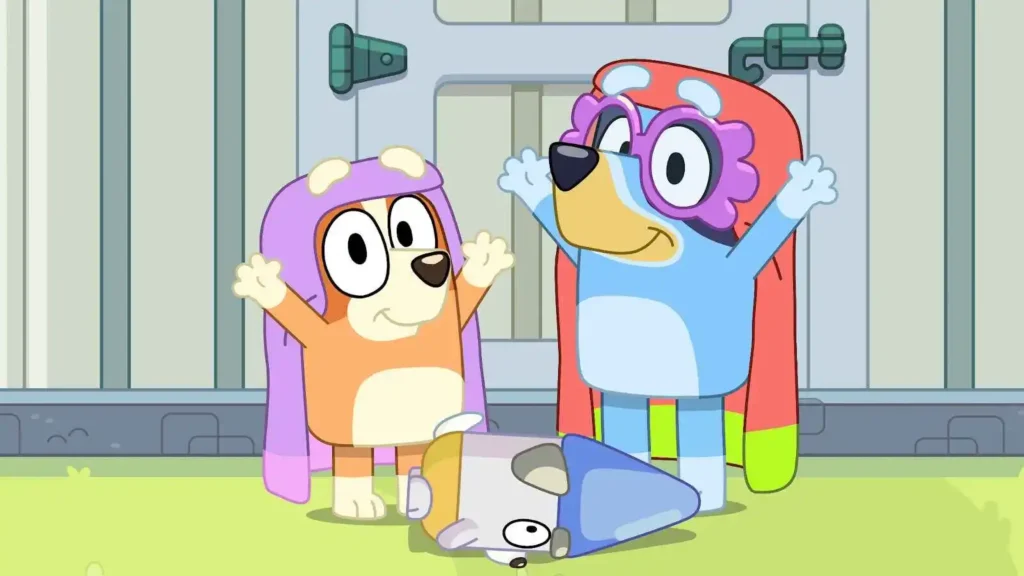
This Australian import has become a global phenomenon, earning praise from parents, educators, and child development experts for its authentic portrayal of family life and creative play.
Target Age: 2–7 years (preschool and early elementary)
Educational Focus:
- Imaginative play and creativity
- Family relationships and sibling dynamics
- Emotional intelligence
- Problem-solving through play
Bluey follows a Blue Heeler puppy and her family through everyday adventures that model positive parenting, creative problem-solving, and emotional authenticity. What distinguishes this show is its appeal to both children and adults—parents consistently report that Bluey episodes make them better caregivers by demonstrating patient, playful parenting approaches.
The show’s seven-minute episodes feature sophisticated storytelling that addresses complex emotions like disappointment, jealousy, and anxiety in age-appropriate ways. Child psychologists have praised Bluey for normalizing diverse family structures, showing dads as engaged parents, and depicting realistic childhood challenges. It’s become essential viewing for modern families seeking quality programming that entertains while teaching valuable life lessons.
Daniel Tiger’s Neighborhood (PBS Kids, 2012–Present)
Created by the Fred Rogers Company as a successor to Mister Rogers’ Neighborhood, this animated series brings Fred Rogers’ social-emotional curriculum into contemporary animation.
Target Age: 2–5 years (toddlers and preschoolers)
Educational Focus:
- Emotional regulation strategies
- Social skills and friendship
- Daily routines and transitions
- Coping with feelings
Daniel Tiger’s Neighborhood uses catchy songs to teach specific emotional management strategies that children can immediately apply. Phrases like “When you feel so mad that you want to roar, take a deep breath and count to four” give young children concrete tools for handling big emotions.
Research conducted by Texas Tech University found that children who watched Daniel Tiger regularly showed improved emotional recognition and social problem-solving skills. Parents appreciate the show’s focus on everyday challenges—from trying new foods to dealing with disappointment—that mirror their children’s actual experiences. It’s consistently ranked among the best kids cartoons for teaching social-emotional learning.
Sesame Street (PBS/HBO Max, 1969–Present)
The longest-running children’s television show in American history continues adapting to serve new generations while maintaining its research-based educational approach.
Target Age: 2–5 years (preschoolers)
Educational Focus:
- Early literacy and numeracy
- STEM concepts
- Social-emotional learning
- Cultural diversity
Sesame Street pioneered the integration of rigorous educational research into children’s programming. Decades of studies have documented the show’s effectiveness in improving school readiness, particularly for children from under-resourced communities. The program continues updating content to address contemporary issues, including episodes about autism, incarceration, homelessness, and racial justice.
The show’s blend of Muppet characters, celebrity guests, and animated segments creates varied pacing that maintains young attention spans. Its influence on early childhood education is immeasurable, with Sesame Street methods informing how educators worldwide approach teaching young children.
Puffin Rock (RTÉ/Netflix, 2015–2018)
This gentle Irish series offers a calmer alternative to high-energy cartoons, making it ideal for younger viewers and bedtime routines.
Target Age: 1–4 years (toddlers and young preschoolers)
Educational Focus:
- Nature and wildlife
- Curiosity and exploration
- Family bonds
- Gentle problem-solving
Narrated by Chris O’Dowd, Puffin Rock follows young puffin Oona and her family on Ireland’s coastal islands. The show’s slow pacing, soft color palette, and soothing narration create a relaxing viewing experience perfect for the best cartoons for babies and toddlers. Each episode introduces simple nature facts while modeling curiosity and wonder about the natural world.
Parents seeking alternatives to overstimulating content consistently recommend Puffin Rock for its calming effect and educational nature content. The show respects very young viewers by keeping narratives simple and predictable while still offering engaging characters and beautiful animation.
Avatar: The Last Airbender (Nickelodeon, 2005–2008)
Though originally aired nearly two decades ago, this series experienced renewed popularity through Netflix streaming, introducing its sophisticated storytelling to new generations.
Target Age: 7–14 years (school-age children and tweens)
Educational Focus:
- Eastern philosophy and spirituality
- War, peace, and moral complexity
- Character growth and redemption
- Cultural diversity and respect
Avatar follows Aang, the last survivor of an ancient culture, as he masters elemental powers to restore balance to a war-torn world. The series distinguishes itself through character development that shows genuine growth, moral complexity that avoids simplistic good-versus-evil narratives, and cultural influences drawn from Asian and indigenous traditions.
Critics and audiences consistently rank Avatar among television’s greatest animated series regardless of genre. Its themes of responsibility, trauma recovery, and finding peace resonate with older children while providing sophisticated entertainment for entire families. The show demonstrates that the best kids cartoons can offer narrative complexity rivaling acclaimed adult programming.
Octonauts (CBeebies/Netflix, 2010–Present)
This adventure series combines oceanic exploration with marine biology education, creating engaging STEM content for young children.
Target Age: 3–7 years (preschool and early elementary)
Educational Focus:
- Marine biology and ocean ecosystems
- Teamwork and problem-solving
- Environmental awareness
- Scientific thinking
Octonauts follows a team of animals who explore the ocean, rescue sea creatures, and protect underwater environments. Each episode introduces real marine animals and accurate biological information, with closing segments providing additional educational content.
The show’s popularity has made it a gateway to STEM learning for countless children, particularly those interested in ocean life. Teachers use Octonauts in classrooms to introduce scientific concepts, while parents appreciate its combination of adventure storytelling with factual educational content.
Hilda (Netflix, 2018–Present)
Based on Luke Pearson’s graphic novels, Hilda offers beautifully animated adventures that celebrate curiosity, bravery, and friendship.
Target Age: 6–12 years (elementary and middle school)
Educational Focus:
- Problem-solving and critical thinking
- Empathy and understanding differences
- Environmental appreciation
- Independence and courage
Hilda follows a fearless blue-haired girl who befriends magical creatures in a Scandinavian-inspired fantasy world. The show’s distinctive visual style, character-driven storytelling, and gentle approach to adventure make it perfect for families seeking quality animation beyond preschool programming.
Critics praise Hilda for its strong female protagonist, gorgeous animation, and stories that balance excitement with emotional depth. It’s become a favorite among families with elementary-age children seeking sophisticated storytelling without inappropriate content.
The Magic School Bus Rides Again (Netflix, 2017–2020)
This reboot of the beloved 1990s series introduces Ms. Frizzle’s little sister and updates science content for contemporary audiences while maintaining the original’s educational spirit.
Target Age: 5–9 years (kindergarten through elementary)
Educational Focus:
- Scientific concepts across disciplines
- STEM careers and diversity in science
- Environmental science
- Scientific inquiry
The updated series maintains the original’s commitment to accurate science education while improving animation quality and introducing more diverse characters. Each episode explores scientific concepts through fantastical field trips, making complex topics accessible and exciting.
Parents who grew up with the original Magic School Bus appreciate introducing their children to this updated version, creating intergenerational shared experiences around science learning.
What Are the Best Christmas Cartoons for Kids?
Holiday programming creates special family traditions, and certain cartoons have become essential seasonal viewing across generations.
Classic Best Christmas Cartoons:
Rudolph the Red-Nosed Reindeer (1964) remains the longest-running holiday special, teaching acceptance and celebrating differences through stop-motion animation that has charmed viewers for six decades.
A Charlie Brown Christmas (1965) combines jazz music, Peanuts humor, and genuine religious themes while addressing commercialism and the true meaning of Christmas.
How the Grinch Stole Christmas (1966), based on Dr. Seuss’s book, delivers timeless messages about community, generosity, and redemption through memorable animation and narration by Boris Karloff.
Modern Holiday Favorites:
Bluey’s Christmas episodes, particularly “Christmas Swim,” offer contemporary holiday storytelling that reflects modern diverse family experiences.
Daniel Tiger’s holiday specials teach children about cultural celebrations, gift-giving expectations, and managing excitement during the holiday season.
These best Christmas cartoons create annual traditions that families return to year after year, building childhood memories that last into adulthood.
Best Cartoons for Babies (0–2 Years)
Selecting appropriate content for babies and very young toddlers requires understanding infant developmental needs and screen time recommendations.
Age-Appropriate Choices:
The American Academy of Pediatrics recommends minimal screen time for children under 18 months. When media is used, it should be high-quality, co-viewed with caregivers, and limited in duration.
Suitable Best Cartoons for Babies:
Hey Duggee (CBeebies/Disney Junior) features simple stories, bright colors, and gentle humor appropriate for toddlers beginning to engage with media.
Puffin Rock offers calm, nature-focused content perfect for very young viewers.
Sesame Street segments (rather than full episodes) provide brief, focused educational content suitable for toddler attention spans.
For babies and young toddlers, shorter viewing sessions with caregiver interaction provide the most developmental benefit. Parents should prioritize content with slow pacing, simple narratives, and opportunities for caregiver-child interaction during viewing.
Finding the Right Cartoons for Your Family
The best kids cartoons serve different purposes at different developmental stages. Babies benefit from simple, calming content with caregiver co-viewing. Preschoolers thrive with shows teaching social-emotional skills and early academics. School-age children engage with more complex narratives exploring moral reasoning and diverse perspectives.
Quality children’s programming respects young viewers’ intelligence, models positive behaviors, introduces diverse experiences, and creates opportunities for family conversation. Whether seeking everyday entertainment, the best Christmas cartoons for annual traditions, or educational content supporting school learning, the cartoons listed here represent the highest standards in children’s animation.
Modern families have unprecedented access to quality programming across streaming platforms and traditional broadcasters. By selecting thoughtfully and viewing together, parents can ensure screen time becomes a positive, educational, and bonding experience rather than passive consumption.
FAQ’s:
What are the best cartoons for kids?
The best kids cartoons include Bluey (ages 2-7), Daniel Tiger’s Neighborhood (ages 2-5), Sesame Street (ages 2-5), Avatar: The Last Airbender (ages 7-14), Octonauts (ages 3-7), and Hilda (ages 6-12). These shows balance entertainment with educational content, teaching social-emotional skills, academic concepts, and positive values while maintaining high production quality and age-appropriate storytelling.
What are the best cartoons for babies?
The best cartoons for babies and toddlers (ages 0-2) include Puffin Rock, Hey Duggee, and short Sesame Street segments. The American Academy of Pediatrics recommends minimal screen time for children under 18 months, and when media is used, it should be high-quality, co-viewed with caregivers, and feature slow pacing, simple narratives, and calming content.
What are the best Christmas cartoons for kids?
The best Christmas cartoons include classic specials like Rudolph the Red-Nosed Reindeer (1964), A Charlie Brown Christmas (1965), and How the Grinch Stole Christmas (1966). Modern holiday favorites include Bluey’s Christmas episodes and Daniel Tiger’s holiday specials. These programs create family traditions while teaching themes of generosity, acceptance, and community.
What makes a cartoon educational for children?
Educational cartoons incorporate age-appropriate learning objectives into entertaining storytelling. They teach specific skills like literacy, numeracy, social-emotional regulation, or STEM concepts through character modeling, repetition, and engaging narratives. The best educational cartoons are developed in consultation with child development experts and align with early childhood education standards while remaining genuinely entertaining.
How much screen time is appropriate for kids watching cartoons?
The American Academy of Pediatrics recommends no screen time for children under 18 months (except video chatting), maximum one hour per day of high-quality programming for ages 2-5, and consistent limits for older children. Quality matters more than quantity—co-viewing with caregivers, discussing content, and choosing educational programming maximizes developmental benefits.
Are modern cartoons better than old cartoons for kids?
Modern and classic cartoons each offer unique benefits. Contemporary shows like Bluey and Daniel Tiger incorporate current child development research and reflect diverse family structures. Classic cartoons like Sesame Street have decades of proven educational effectiveness. The best approach combines quality programming from different eras based on individual child needs and family values.
What’s the difference between cartoons for preschoolers and school-age kids?
Preschool cartoons (ages 2-5) focus on foundational skills: emotional regulation, basic academics, social skills, and simple problem-solving with slower pacing and repetitive content. School-age cartoons (ages 6-12) feature more complex narratives, character development, moral reasoning, and advanced academic concepts. Age-appropriate selection ensures content matches children’s cognitive and emotional development stages.
Should parents watch cartoons with their kids?
Yes. Co-viewing enhances educational benefits, allows parents to guide content interpretation, creates conversation opportunities, and helps parents monitor age-appropriateness. Research shows children gain more from media when caregivers watch together, ask questions, and connect content to real-life experiences.
Read More: Who Is the Most Powerful Anime Character? A Definitive Analysis
Read More: Who Is the Strongest Anime Character? Best Analysis By Toonstream 2026