Batman Animated Movies: Watch Order, Best Films & Complete Guide
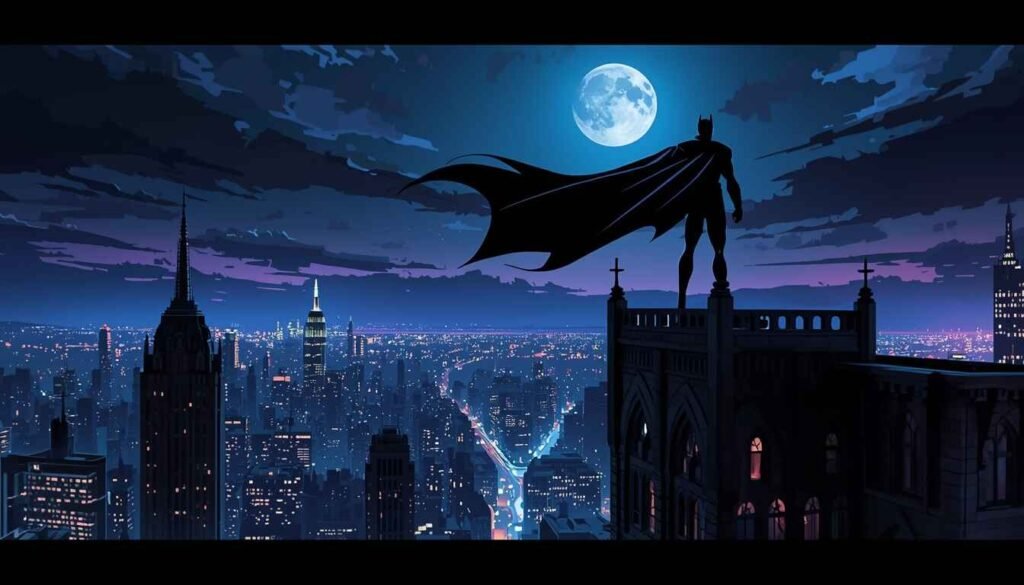
For over three decades, Batman animated movies have delivered some of the Dark Knight’s most compelling stories, often surpassing their live-action counterparts in narrative depth and comic book authenticity. Animation provides creators with unlimited creative freedom, allowing them to adapt complex storylines, showcase fantastical villains, and explore darker themes without the constraints of live-action production budgets or ratings limitations.
From the groundbreaking Batman: Mask of the Phantasm in 1993 to recent adaptations exploring multiversal storylines, these films have consistently earned critical acclaim and devoted fan followings. Whether you’re a newcomer to DC animation or a longtime enthusiast seeking a comprehensive watch guide, understanding the chronology, connections, and quality rankings of these films enhances the viewing experience significantly.
This guide provides a complete overview of Batman animated movies, including proper watch order, quality-based recommendations, and clear distinctions between connected universes and standalone stories.
Batman Movies: Animated vs Non-Animated
Understanding the fundamental differences between animated and live-action Batman films helps viewers choose the right experience for their preferences.
Live-action Batman films typically emphasize realistic interpretations, grounded storytelling, and practical effects combined with CGI. These productions require substantial budgets and face limitations in depicting comic-accurate costumes, otherworldly villains, and supernatural elements. When exploring batman movies in order non animated, viewers encounter distinct eras: the Tim Burton films (1989-1992), Joel Schumacher’s interpretations (1995-1997), Christopher Nolan’s Dark Knight trilogy (2005-2012), the DC Extended Universe entries (2016-2022), and Matt Reeves’ recent vision (2022).
Animated Batman films offer greater creative flexibility, allowing filmmakers to adapt storylines directly from comic book pages with visual fidelity impossible in live-action. These productions can seamlessly incorporate fantastical elements, feature extensive ensemble casts, and explore mature themes while maintaining stylistic coherence. Animation also enables more frequent releases and interconnected storytelling across multiple films.
Animation serves as the definitive medium for adapting specific comic storylines like The Dark Knight Returns, The Killing Joke, and Batman: Year One, preserving the artistic vision and narrative complexity of the source material. Voice acting performances from Kevin Conroy, Mark Hamill, and others have become as iconic as any live-action portrayal.
Viewers interested in both mediums should consider watching batman movies in order non animated separately from animated entries to fully appreciate each approach’s unique strengths and storytelling philosophies.
Batman Animated Movies in Order
Batman animated movies span multiple continuities and universes. Understanding these connections helps viewers decide whether to follow specific timelines or explore standalone films.
DC Animated Universe (DCAU) Films
The DCAU represents the most beloved connected Batman animation continuity, building on Batman: The Animated Series.
- Batman: Mask of the Phantasm (1993) – Theatrical DCAU entry exploring Bruce Wayne’s past
- Batman & Mr. Freeze: SubZero (1998) – Direct-to-video DCAU continuation
- Batman Beyond: Return of the Joker (2000) – Future-set DCAU film featuring an elderly Bruce Wayne
- Batman: Mystery of the Batwoman (2003) – DCAU standalone adventure
DC Universe Animated Original Movies (Standalone Era)
Beginning in 2007, DC launched standalone animated adaptations of classic storylines.
- Batman: Gotham Knight (2008) – Anthology film bridging Batman Begins and The Dark Knight
- Batman: Under the Red Hood (2010) – Adaptation of the Jason Todd storyline
- Batman: Year One (2011) – Frank Miller’s origin story brought to animation
- The Dark Knight Returns, Part 1 (2012) – First half of Miller’s masterpiece
- The Dark Knight Returns, Part 2 (2013) – Conclusion of the TDKR adaptation
- Batman: The Killing Joke (2016) – Controversial adaptation of Alan Moore’s graphic novel
DC Animated Movie Universe (DCAMU) Films
A connected continuity spanning 2013-2020, beginning with Justice League: The Flashpoint Paradox.
- Son of Batman (2014) – Introduction of Damian Wayne
- Batman vs. Robin (2015) – Court of Owls storyline
- Batman: Bad Blood (2016) – Expanded Bat-family adventure
- Batman: Hush (2019) – Adaptation of the Hush storyline
- Justice League Dark: Apokolips War (2020) – DCAMU conclusion featuring Batman
Recent Standalone Films
- Batman: The Long Halloween, Part One (2021) – First half of Jeph Loeb’s mystery
- Batman: The Long Halloween, Part Two (2021) – Mystery conclusion
- Batman: The Doom That Came to Gotham (2023) – Elseworlds horror reimagining
- Batman: Caped Crusader (2024) – Series revival of noir-influenced animation
When watching batman animated movies in order, viewers can choose release order for a historical perspective or focus on specific continuities for cohesive storytelling.
Best Batman Animated Movies
Determining the best batman animated movies involves evaluating storytelling quality, animation excellence, voice performance, and source material fidelity.
Top Tier: Essential Viewing
Batman: Mask of the Phantasm (1993) remains the gold standard. This theatrical DCAU entry combines film noir aesthetics with deeply emotional storytelling, exploring Bruce Wayne’s sacrifices and lost love. Kevin Conroy’s voice performance anchors the film, while the haunting score and mature themes elevate it beyond typical animated fare. The original villain, the Phantasm, ranks among Batman’s most compelling adversaries.
Batman: Under the Red Hood (2010) delivers exceptional action sequences and emotional complexity. The film tackles Jason Todd’s resurrection and confronts Batman with impossible moral choices. Voice performances from Bruce Greenwood and John DiMaggio bring gravitas to the material, while the adaptation improves upon certain comic elements.
The Dark Knight Returns (2012-2013) faithfully adapts Frank Miller’s seminal graphic novel across two films. Peter Weller’s voice captures an aging, brutal Batman perfectly. The animation style honors Miller’s distinctive artwork while the narrative explores themes of legacy, violence, and political commentary that remain strikingly relevant.
Excellent Quality: Highly Recommended
Batman: Year One (2011) strips Batman to his essentials, presenting a gritty origin story focused on realism and detective work. The parallel narratives of Batman and Jim Gordon create compelling drama, while the animation style echoes the comic’s aesthetic.
Batman Beyond: Return of the Joker (2000) stands as the darkest DCAU entry, exploring the psychological toll of Batman’s crusade across generations. The uncut version features surprisingly mature content and delivers genuine emotional impact through Terry McGinnis’s journey.
Batman: The Long Halloween (2021) captures the mystery and atmosphere of the beloved comic series. The two-part adaptation allows proper pacing for the complex murder mystery while showcasing Batman’s detective skills and expanding Gotham’s rogues gallery.
Solid Entries Worth Watching
Son of Batman and Batman vs. Robin introduce Damian Wayne effectively within the DCAMU continuity. While not reaching the heights of standalone classics, these films offer strong action sequences and character development for Batman’s son.
Batman: Gotham Knight provides an interesting anime-influenced anthology bridging Nolan’s films, though quality varies across segments.
Controversial or Flawed
Batman: The Killing Joke (2016) divides audiences. While the adaptation of Moore’s material remains faithful, the controversial first act additions and uneven pacing diminish the overall impact despite strong voice work from Conroy and Hamill.
The best animated batman movies consistently demonstrate that animation can tackle mature themes, complex narratives, and character depth rivaling any medium.
Why Batman Animation Continues to Thrive
Batman animated movies persist in popularity because animation allows unrestricted creative expression. Filmmakers can adapt beloved comic storylines without compromise, explore alternate universes freely, and maintain consistent quality with lower production costs compared to live-action tentpoles.
The legacy of Batman: The Animated Series established high storytelling standards that subsequent films have upheld. Voice actors like Kevin Conroy (who voiced Batman across three decades) created definitive interpretations that resonate with multiple generations of fans.
Animation also enables riskier storytelling—R-rated content, experimental visual styles, and niche comic adaptations that would never receive theatrical live-action budgets. This creative freedom has produced some of Batman’s most memorable cinematic moments.
Conclusion
Batman animated movies represent an essential component of the character’s cinematic legacy. From the DCAU’s cohesive storytelling to standalone adaptations of landmark comics, these films demonstrate animation’s unique capacity for faithful, sophisticated superhero storytelling.
Whether you prefer watching batman animated movies in order by continuity or selecting the best batman animated movies for standalone viewing, this medium offers unparalleled access to Batman’s rich comic book history. As animation technology advances and storytelling ambitions grow, Batman’s animated adventures will continue pushing creative boundaries while honoring the character’s 85-year legacy.
For viewers new to DC animation, starting with Mask of the Phantasm, Under the Red Hood, and The Dark Knight Returns provides an ideal foundation. From there, exploring specific continuities or seeking out comic adaptations based on personal interest creates rewarding viewing experiences that complement both live-action films and the original source material.
FAQ’s:
What are the best Batman animated movies?
The best Batman animated movies include Batman: Mask of the Phantasm (1993), Batman: Under the Red Hood (2010), and The Dark Knight Returns two-part adaptation (2012-2013). These films combine exceptional storytelling, strong voice performances, and faithful comic book adaptations.
What is the correct order to watch Batman animated movies?
You can watch by release order starting with Mask of the Phantasm (1993), or follow specific continuities like the DCAU or DCAMU. Standalone films like Under the Red Hood and Year One can be watched independently without prior knowledge.
Are Batman animated movies better than live-action?
Batman animated movies excel at adapting complex comic storylines with complete fidelity to source material. While live-action films offer different strengths, animation provides creative freedom for fantastical elements, ensemble casts, and mature themes that enhance storytelling possibilities.
Do Batman animated films connect to each other?
Some Batman animated films exist within connected universes (DCAU, DCAMU) with recurring storylines and continuity. However, many are standalone adaptations that can be enjoyed independently without prior knowledge of other films.
Which Batman animated movie should I watch first?
Batman: Mask of the Phantasm (1993) serves as the ideal starting point, offering accessible storytelling, exceptional quality, and no required prior knowledge. Alternatively, Batman: Under the Red Hood (2010) provides a modern entry point with contemporary animation and self-contained narrative.
Are Batman animated movies appropriate for children?
Batman animated movies range from family-friendly (Mask of the Phantasm) to mature R-rated content (The Killing Joke, Return of the Joker uncut version). Always check individual film ratings and content warnings before viewing with children.
Read More: