Best Educational Shows for Kids: Learning Through Fun & Storytelling
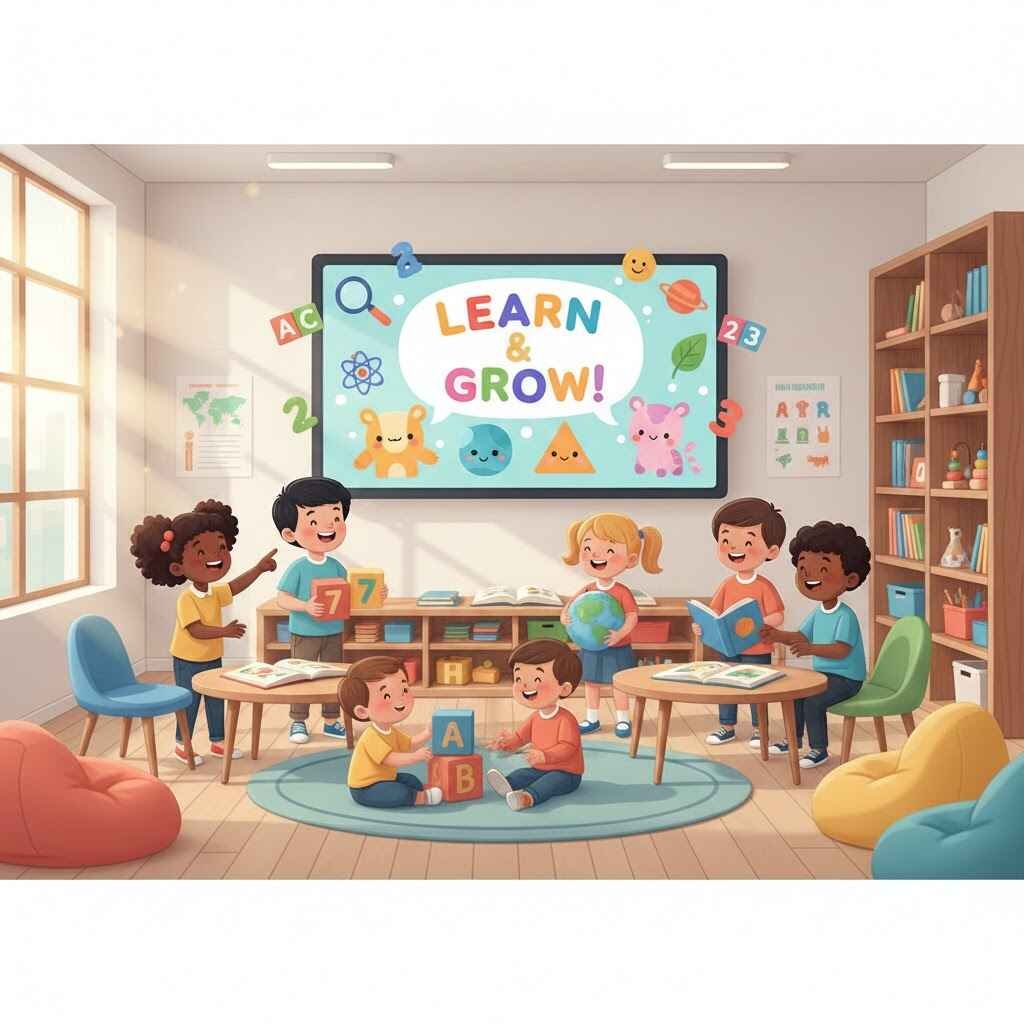
In an era where screen time is inevitable, the quality of what children watch matters far more than the quantity. Educational kids shows have evolved from simple alphabet recitations to sophisticated programs that teach literacy, numeracy, science, and social-emotional skills through engaging storytelling. When chosen thoughtfully, these shows can complement hands-on learning, spark curiosity, and support developmental milestones in ways that entertain while they educate.
Research consistently demonstrates that well-designed educational programming can enhance vocabulary development, improve school readiness, and even boost problem-solving abilities. The key lies in selecting programs created with input from child development experts, educators, and curriculum specialists rather than shows that simply claim educational value. Parents seeking the best educational kids shows should look for content that encourages active participation, repeats key concepts for reinforcement, and presents information at an appropriate developmental pace.
Quality educational television uses storytelling as a vehicle for learning, embedding educational content within narratives that captivate young minds. Characters become familiar friends who model positive behaviors, work through challenges, and celebrate learning as an exciting adventure rather than a chore. This approach transforms passive viewing into an active learning experience that children remember and apply beyond screen time.
What Makes a Show Educational for Kids?
Not all children’s programming claiming educational benefits truly supports learning and development. The best educational kids shows share specific characteristics that distinguish them from entertainment-only content.
Age Appropriateness and Developmental Milestones
Effective educational programming aligns with children’s cognitive abilities at specific developmental stages. Shows for toddlers feature simple language, repetitive patterns, and basic concepts, while programs for school-age children introduce more complex ideas and expect sustained attention. Content should challenge children appropriately without overwhelming them, supporting the zone of proximal development where learning occurs most effectively.
Developmental appropriateness also encompasses pacing, with younger children requiring slower presentation and more repetition than older viewers. Shows that respect these developmental realities create positive learning experiences, while those that move too quickly or present age-inappropriate content can frustrate rather than educate.
Core Learning Domains
Quality educational shows target specific learning areas including literacy and language development, mathematical thinking and numeracy, scientific inquiry and observation, and social-emotional learning and character development. The best programs integrate multiple learning domains naturally rather than feeling like isolated lessons. A show might teach counting through a story about sharing, simultaneously supporting mathematical skills and social understanding.
Literacy-focused programs introduce phonics, vocabulary, and narrative structure through engaging stories. Math-oriented shows make abstract concepts concrete through visual representations and real-world applications. Science programs model curiosity and the scientific method, encouraging children to observe, question, and experiment. Social-emotional learning shows help children identify feelings, develop empathy, and navigate relationships.
Expert Involvement and Research Backing
Educational show for education purposes benefit significantly from collaboration with child psychologists, early childhood educators, curriculum developers, and subject matter experts. Programs developed with educational advisory boards typically demonstrate greater learning outcomes than those created solely for entertainment purposes.
Many highly regarded educational programs undergo testing with target age groups during development, using child feedback to refine content and ensure comprehension. This research-informed approach distinguishes genuinely educational content from shows that simply incorporate educational elements superficially.
Engagement Without Overstimulation
Effective educational programming maintains children’s attention through compelling stories and characters rather than rapid cuts, loud noises, or overwhelming visual stimulation. Research suggests that calmer pacing and thoughtful design actually support better information retention and comprehension than frenetic presentation styles.
Interactive elements that encourage verbal responses, physical movement, or problem-solving alongside characters transform passive viewing into active participation. Shows that pause for children to answer questions or complete challenges create engagement that enhances learning outcomes.
Best Educational Shows for Kids
Sesame Street (PBS/HBO, 1969–present)
Perhaps the gold standard of educational children’s television, Sesame Street has spent over five decades teaching generations of children. This beloved program targets preschoolers aged 3-5 with content spanning literacy, numeracy, science, and social-emotional learning. The show’s research-based curriculum addresses specific learning objectives each season, with content tested for effectiveness.
Learning objectives:
- Letter recognition and phonics fundamentals
- Counting, number recognition, and basic math concepts
- Social skills, emotional regulation, and cultural awareness
- Problem-solving and critical thinking through story-based scenarios
Sesame Street qualifies as one of the best educational kids shows through its unmatched combination of entertainment value and proven educational impact, supported by decades of research demonstrating improved school readiness among regular viewers.
Blue’s Clues (Nickelodeon/Nick Jr., 1996–2006, 2019–present)
This groundbreaking program revolutionized educational television by directly addressing viewers and pausing for responses, creating an interactive experience that supports active learning. Blue’s Clues targets preschoolers aged 3-5, teaching problem-solving through pattern recognition, deductive reasoning, and critical thinking.
Learning objectives:
- Visual discrimination and pattern recognition
- Logical thinking and problem-solving strategies
- Memory skills through repetition and recall
- Confidence building through successful prediction and participation
The show’s deliberate pacing, strategic repetition across multiple episodes, and research-backed design make it exceptionally effective for developing cognitive skills in young children.
The Magic School Bus (PBS, 1994–1997; Netflix, 2017–2020)
This animated series transforms science education into exciting adventures through field trips to extraordinary locations. Targeting elementary students aged 6-10, The Magic School Bus introduces complex scientific concepts through age-appropriate explanations and visual demonstrations.
Learning objectives:
- Scientific inquiry and the scientific method
- Biology, physics, chemistry, and earth science concepts
- Observation skills and hypothesis testing
- Curiosity and enthusiasm for scientific exploration
By making science accessible and exciting, this show inspires genuine interest in STEM subjects while teaching foundational concepts that support classroom learning.
Daniel Tiger’s Neighborhood (PBS Kids, 2012–present)
Building on the legacy of Mister Rogers’ Neighborhood, this animated series focuses specifically on social-emotional learning for toddlers and preschoolers aged 2-4. Each episode addresses common childhood challenges through simple songs and relatable scenarios.
Learning objectives:
- Emotional identification and expression
- Coping strategies for frustration, disappointment, and change
- Social skills including sharing, taking turns, and empathy
- Daily routines and self-care habits
Daniel Tiger’s Neighborhood excels at supporting emotional development during crucial early years, providing language and strategies children can apply immediately to their own experiences.
Wild Kratts (PBS Kids, 2011–present)
This action-adventure series combines animation with live-action segments to teach zoology and ecology. Targeting elementary students aged 6-9, Wild Kratts follows brothers who use “creature power suits” to experience animal abilities while learning about wildlife.
Learning objectives:
- Animal biology, habitats, and adaptations
- Ecological relationships and conservation awareness
- Scientific observation and classification
- Respect for nature and environmental stewardship
The show’s dynamic presentation and genuine enthusiasm for wildlife make biological concepts engaging while supporting science curriculum objectives.
WordWorld (PBS Kids, 2007–2011)
This innovative program uses words as building blocks within its animated world, where objects are literally constructed from the letters spelling their names. Designed for preschoolers aged 3-5, WordWorld supports early literacy through visual letter-word connections.
Learning objectives:
- Letter recognition and alphabet knowledge
- Phonemic awareness and letter-sound relationships
- Word building and early spelling concepts
- Vocabulary development through context
WordWorld’s unique visual approach helps young children understand that letters form words with meaning, supporting crucial pre-reading skills.
Best Educational Shows for Toddlers & Preschoolers
The earliest years of childhood represent critical periods for language development, motor skill refinement, and social-emotional foundation building. Educational kids shows designed for this age group prioritize simple language, repetitive patterns, and concepts fundamental to later learning.
Language Development Focus
Programs like Puffin Rock and Bluey emphasize rich vocabulary, narrative structure, and conversational language. These shows model proper grammar and introduce new words through context, supporting language acquisition during peak developmental windows. Repetition across episodes reinforces learning, while storytelling provides frameworks children use to organize their own experiences and thoughts.
Motor Skills and Early Numeracy
Shows incorporating movement, like Yo Gabba Gabba! or The Wiggles, encourage physical development alongside cognitive learning. Dancing, jumping, and following movement instructions support gross motor development. Programs teaching counting through songs and visual representations lay foundations for mathematical thinking, with concepts like one-to-one correspondence and quantity comparison introduced through play-based activities.
Emotional Recognition and Routine Building
Toddlers and preschoolers benefit enormously from shows addressing emotional literacy and daily routines. Programs that name feelings, model calming strategies, and depict familiar routines like bedtime or mealtime help young children navigate their expanding social world. Educational kids shows like Daniel Tiger’s Neighborhood excel here, providing language and frameworks that support emotional regulation and independence.
Educational Shows for School-Age Kids
As children enter formal schooling, their capacity for complex narratives, abstract thinking, and sustained attention expands dramatically. Educational programming for this age group can tackle more sophisticated subjects while maintaining engagement through compelling storytelling.
Problem-Solving and Critical Thinking
Shows like Odd Squad transform mathematics into detective work, using comedy and adventure to teach algebraic thinking, geometry, and logical reasoning. These programs present problems requiring systematic thinking, encouraging children to pause and consider solutions before revealing answers. This approach builds confidence in mathematical abilities while demonstrating that problems have multiple solution pathways.
Science, History, and Cultural Awareness
Programs exploring history, geography, and cultural diversity broaden perspectives while supporting social studies curricula. Shows like Liberty’s Kids teach American history through engaging narratives, while Molly of Denali introduces Alaska Native culture alongside problem-solving and literacy skills. These educational show for education content help children understand the world beyond their immediate experience, fostering curiosity and cultural competence.
Educational Storytelling Beyond Basics
School-age children benefit from programming that challenges them to think critically about complex issues. Shows addressing environmental conservation, historical events, or scientific controversies model analytical thinking while providing factual foundations. The best programs for this age group respect children’s intelligence, presenting nuanced information without oversimplification while remaining age-appropriate.
Maximizing Educational Value
Even the best educational kids shows provide optimal benefits when incorporated thoughtfully into children’s daily routines. Co-viewing, where parents watch alongside children and discuss content, significantly enhances learning outcomes. Asking questions about episodes, relating content to real-life experiences, and encouraging children to predict outcomes transforms passive viewing into active learning experiences.
Balancing screen time with hands-on activities, outdoor play, and social interaction ensures that educational programming supplements rather than replaces other crucial developmental experiences. The American Academy of Pediatrics recommends limiting screen time and prioritizing high-quality, educational content when screens are used.
Following up on show content through related activities amplifies learning. After watching a science program, conducting simple experiments reinforces concepts. Following a literacy-focused episode with related books strengthens reading skills. This integrated approach maximizes the educational value of screen time.
FAQ’s:
What are the best educational shows for kids?
The best educational kids shows include Sesame Street for comprehensive preschool learning, Blue’s Clues for problem-solving skills, Daniel Tiger’s Neighborhood for social-emotional development, The Magic School Bus for science education, and Wild Kratts for zoology and ecology. These programs feature research-backed curricula, expert involvement, and proven learning outcomes. They balance entertainment with educational content while remaining age-appropriate and engaging.
Which educational kids shows help learning the most?
Educational kids shows that help learning most effectively include those with active participation elements like Blue’s Clues, which encourages verbal responses and problem-solving. Sesame Street demonstrates the strongest research backing for school readiness improvements. Shows targeting specific skills like WordWorld for literacy or Odd Squad for mathematics show measurable gains in those particular domains. Programs that combine educational content with compelling storytelling generally produce better learning outcomes than those presenting information in isolation.
Are educational TV shows good for children?
Quality educational shows can benefit children when used appropriately as part of balanced media consumption. Research indicates that well-designed educational programming improves vocabulary, supports school readiness, and teaches social-emotional skills. However, benefits depend on content quality, age-appropriateness, viewing duration, and whether adults co-view and discuss content with children. Educational television works best as one tool within a comprehensive learning approach that includes hands-on activities, social interaction, and active play.
What age should kids start watching educational shows?
The American Academy of Pediatrics recommends avoiding screen time for children under 18 months except for video chatting. Between 18-24 months, high-quality programming can be introduced with parent co-viewing. Children aged 2-5 should have screen time limited to one hour daily of high-quality educational content. Shows should match developmental stages, with toddler programming featuring simple language and concepts, while preschool shows can introduce more complex ideas. Starting educational shows at developmentally appropriate times with parental guidance maximizes benefits.
How can parents maximize educational value from kids’ shows?
Parents maximize educational value through co-viewing and discussing content, asking children to predict outcomes or explain what happened, relating show content to real-world experiences and hands-on activities, limiting screen time and prioritizing quality over quantity, choosing shows created with educational expert involvement, and following up episodes with related books, experiments, or creative projects. Active engagement transforms passive viewing into interactive learning experiences that enhance comprehension and retention.
What makes a show truly educational versus just entertaining?
Truly educational shows feature research-backed curricula designed with input from educators and child development experts, clear learning objectives aligned with developmental milestones, age-appropriate pacing and content complexity, repetition that reinforces key concepts, and interactive elements encouraging active participation. They teach specific skills or knowledge systematically rather than incidentally. Educational show for education purposes undergo testing with target audiences to ensure comprehension and effectiveness, distinguishing them from purely entertaining content that may include educational elements superficially without proven learning outcomes.
Read More: