Adult Cartoons: Best, Funniest & Most Influential Animated Shows for Adults
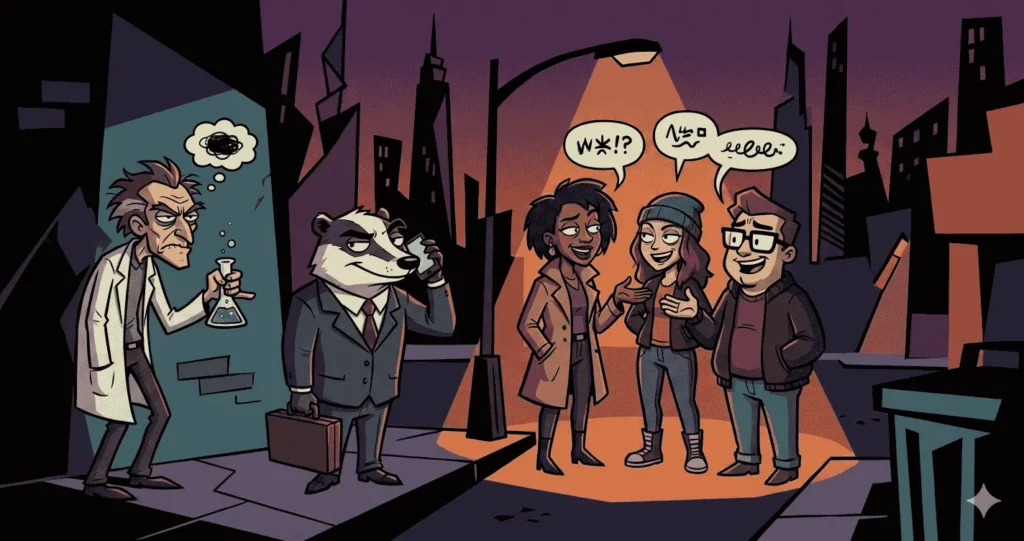
Adult cartoons have evolved from niche programming into a dominant force in contemporary entertainment, proving that animation is far more than a children’s medium. These sophisticated animated shows use the unique advantages of animation—unlimited visual possibilities, exaggerated character design, and freedom from live-action constraints—to deliver incisive social commentary, complex character studies, and humor that ranges from absurdist to darkly philosophical.
Unlike children’s animation, which prioritizes educational content and straightforward moral lessons, adult cartoons embrace ambiguity, tackle controversial subjects, and challenge viewers with narratives that reflect the complexities of modern life. Animation provides creators with powerful tools for satire and metaphor, allowing them to address sensitive political, social, and cultural issues through characters and worlds that offer critical distance from reality while remaining deeply relevant to it.
The rise of adult animation represents a broader cultural shift in how we perceive the medium itself. Where animation was once dismissed as exclusively for children, contemporary adult cartoons demonstrate the form’s versatility and artistic legitimacy. From prime-time sitcoms to experimental late-night programming, from streaming originals to international productions, adult animation has established itself as essential viewing for audiences seeking entertainment that respects their intelligence while making them laugh, think, and occasionally question everything they thought they knew.
What Makes a Cartoon “Adult”?
The distinction between children’s cartoons and adult cartoons extends far beyond simple content ratings, encompassing intended audience, thematic complexity, and storytelling approach. Understanding these differences helps viewers appreciate why adult animation has become such a vital part of contemporary media.
Intended Audience and Content Rating provide the most straightforward distinction. Adult cartoons typically carry TV-14 or TV-MA ratings in the United States, indicating content inappropriate for young children. These ratings reflect the presence of mature language, sexual references, violence, drug use, or other themes requiring viewer maturity. However, ratings alone don’t capture what makes these shows distinctly adult in their approach and ambition.
Satire, Parody, and Dark Humor define much of adult animation’s appeal. These shows use humor not just for entertainment but as analytical tools for examining society, politics, culture, and human behavior. Satire allows creators to critique institutions and ideologies through exaggeration and irony. Shows like South Park have built entire episodes around current events, offering commentary within days of real-world occurrences. This topical relevance and willingness to offend in service of making points distinguishes adult animation from family-friendly content.
Complex Themes separate adult cartoons from shows aimed at younger viewers. Adult animation explores politics without simplified good-versus-evil narratives, examines relationships with all their complications and failures, interrogates identity and meaning in contemporary life, and addresses mortality, purpose, and existential questions. These shows respect their audiences’ capacity for nuance and don’t feel obligated to provide comforting resolutions to difficult questions.
The animation medium itself offers unique advantages for adult content. Animated characters can survive impossible situations for comedic effect, visual metaphors can represent abstract concepts directly, and fantastical settings can critique real-world issues without direct representation. This creative freedom allows adult cartoons to tell stories that would be impractical, expensive, or tonally inconsistent in live-action formats.
Best Adult Cartoons of All Time
The Simpsons (Fox, 1989–Present)
The longest-running American sitcom fundamentally changed television by proving that prime-time animation could succeed with mainstream audiences. The Simpsons perfected the animated sitcom format, using its fictional town of Springfield as a microcosm for examining American culture, family dynamics, and social institutions. The show’s satirical edge, combined with genuine emotional depth and cultural literacy, established templates countless shows would follow. Its influence on comedy, television writing, and pop culture cannot be overstated—The Simpsons didn’t just succeed as an adult cartoon; it changed what television comedy could be.
South Park (Comedy Central, 1997–Present)
Creators Trey Parker and Matt Stone built a cultural institution around crude animation and sophisticated satire. South Park’s deliberately simple visual style masks remarkably complex social and political commentary delivered through the perspective of four Colorado elementary school students. The show’s rapid production schedule allows it to respond to current events with remarkable speed, offering satirical takes on contemporary issues within days. South Park pushed boundaries of what could be said on television while demonstrating that offensive humor could coexist with intelligent critique.
Rick and Morty (Adult Swim, 2013–Present)
This sci-fi animated comedy combines absurdist humor with philosophical depth, following an alcoholic genius scientist and his anxious grandson through interdimensional adventures. Rick and Morty distinguishes itself through intricate plotting, emotional complexity beneath its cynical surface, and willingness to subvert audience expectations. The show explores nihilism, family dysfunction, and existential dread while delivering elaborate sci-fi concepts and innovative storytelling structures. Its intellectual ambition and genre-blending approach represent contemporary adult animation at its most ambitious.
BoJack Horseman (Netflix, 2014–2020)
Perhaps the most emotionally sophisticated entry among the best adult cartoons, BoJack Horseman used an absurd premise—talking animals coexisting with humans in Hollywood—to deliver devastating examination of depression, addiction, trauma, and the entertainment industry. The show balanced surreal comedy with genuine dramatic weight, creating a narrative that was simultaneously hilarious and heartbreaking. BoJack Horseman demonstrated that adult animation could tackle serious subjects with the depth and nuance typically reserved for prestige live-action drama.
Futurama (Fox/Comedy Central, 1999–2013)
Matt Groening’s sci-fi comedy combined imaginative world-building with sharp writing and surprising emotional resonance. Set in the 31st century, Futurama used its future setting to comment on contemporary issues while crafting genuinely moving stories about friendship, love, and belonging. The show’s clever incorporation of mathematics, science, and philosophy—alongside traditional sitcom comedy—appealed to audiences seeking intelligent humor wrapped in spectacular science fiction concepts.
Archer (FX/FXX, 2009–2023)
This spy comedy parody evolved across its run from straightforward espionage satire to genre-hopping experimentation. Archer’s rapid-fire dialogue, intricate callbacks, and complex character relationships created a sophisticated comedy that rewarded attentive viewing. The show’s visual style—inspired by mid-century illustration—distinguished it aesthetically while its willingness to reinvent itself kept the series fresh across multiple seasons.
Adult Swim Cartoons That Shaped the Genre
Adult Swim, launched as Cartoon Network’s late-night programming block in 2001, fundamentally changed adult animation by providing a platform for experimental, boundary-pushing content that traditional networks wouldn’t risk. Adult Swim cartoons embraced surrealism, anti-humor, and unconventional storytelling that challenged what animated television could be.
Aqua Teen Hunger Force (2000–2015) epitomized Adult Swim’s absurdist aesthetic with its nonsensical premise of talking fast-food items having bizarre adventures. The show’s deliberate rejection of conventional narrative structure and logic influenced a generation of alternative comedy. Its success proved audiences existed for animation that prioritized weirdness over accessibility.
The Venture Bros. (2003–2018) started as a Johnny Quest parody but evolved into complex serialized storytelling with elaborate mythology and genuine character development. The show demonstrated that Adult Swim could support ambitious long-form narratives alongside its more experimental offerings.
Robot Chicken (2005–Present) pioneered the stop-motion sketch comedy format, delivering rapid-fire pop culture parodies. Its influence extended beyond Adult Swim, popularizing the sketch anthology approach and demonstrating animation’s potential for multimedia parody.
The lasting influence of adult swim cartoons appears throughout modern animation. These shows normalized experimental formats, proved niche audiences could sustain successful series, and encouraged creators to take risks with unconventional concepts. Adult Swim’s willingness to champion weird, personal visions gave creators freedom that resulted in some of adult animation’s most innovative work.
Funny Adult Cartoons Worth Watching
While all successful adult animation incorporates humor, certain shows distinguish themselves through their comedic focus and distinctive approaches to making audiences laugh.
Bob’s Burgers (Fox, 2011–Present) offers warmth rare in adult animation, featuring a struggling restaurant-owning family navigating everyday challenges with optimism and mutual support. Unlike many funny adult cartoons that rely on cynicism, Bob’s Burgers delivers humor through character-driven situations and genuine affection for its protagonists.
Big Mouth (Netflix, 2017–Present) tackles puberty and adolescence with graphic frankness and surprising empathy. The show’s willingness to address uncomfortable aspects of growing up—combined with fantastical elements like hormone monsters—creates comedy that’s simultaneously cringe-inducing and relatable.
American Dad! (Fox/TBS, 2005–Present) emerged from The Simpsons/Family Guy creator Seth MacFarlane but developed its own identity through increasingly absurdist plotlines and character-focused storytelling. The show’s willingness to abandon logic for comedic effect distinguishes it from more grounded animated sitcoms.
The difference between crude humor and intelligent satire often determines whether funny adult cartoons achieve lasting success. Shows that rely exclusively on shock value tend to fade quickly, while those using offensive or controversial humor in service of larger points maintain relevance. The best comedic adult animation understands that genuine insight enhances humor rather than diminishing it.
Adult Cartoons with Mature Themes
Some adult cartoons explore sexuality, relationships, and identity with narrative sophistication that distinguishes them from purely titillating content. These shows approach mature themes as central to character development and storytelling rather than as superficial elements designed to shock.
Drawn Together (Comedy Central, 2004–2007) parodied reality television through animated characters from various animation styles living together. While often crude, the show used its premise to satirize media tropes and social dynamics.
Castlevania (Netflix, 2017–2021) demonstrated that adult animation could deliver serious dramatic storytelling in the fantasy genre. The series featured graphic violence and mature themes while maintaining focus on character development and narrative complexity.
It’s important to distinguish between animation exploring mature content thoughtfully and content created primarily for titillation. The former category—which includes most successful adult cartoons—uses mature themes to develop characters, explore relationships authentically, and address aspects of human experience that family-friendly content cannot. When searching for terms like adult erotic cartoons, viewers should understand differences between mainstream adult animation that may include sexual themes within broader narratives and content specifically designed as adult entertainment.
Responsible adult animation approaches sexuality and relationships as components of complete characters rather than as isolated elements. Shows treating mature themes seriously earn their content ratings through thematic sophistication rather than gratuitousness, using animation’s unique capabilities to explore human experience with honesty and nuance.
The Global Perspective on Adult Animation
While American adult cartoons dominate English-language discussions, international productions have made significant contributions to adult animation. Japanese anime includes numerous series aimed at mature audiences exploring complex themes through various genres. European animation has long embraced adult-oriented content, with countries like France producing sophisticated animated films and series. These international perspectives enrich adult animation by bringing different cultural sensibilities, artistic styles, and storytelling traditions to the medium.
The increasing globalization of streaming platforms has made international adult animation more accessible to worldwide audiences, creating opportunities for cross-cultural exchange and influence that benefit the entire medium.
Frequently Asked Questions:
What are the best adult cartoons to watch?
The best adult cartoons include The Simpsons, South Park, Rick and Morty, BoJack Horseman, Futurama, and Archer. These shows combine sophisticated humor with social commentary, memorable characters, and innovative storytelling. Streaming platforms like Netflix, Hulu, and HBO Max offer extensive libraries of acclaimed adult animated series.
What are Adult Swim cartoons known for?
Adult Swim cartoons are known for experimental formats, surrealist humor, and boundary-pushing content that challenges conventional television. Shows like Aqua Teen Hunger Force, The Venture Bros., and Rick and Morty exemplify the network’s commitment to unconventional storytelling and creative risk-taking that shaped modern adult animation.
Are adult cartoons just comedy, or can they be serious?
While most adult cartoons incorporate comedy, many deliver serious dramatic content alongside humor. Shows like BoJack Horseman, Castlevania, and Arcane demonstrate that adult animation can tackle depression, trauma, moral complexity, and philosophical questions with the depth and sophistication of prestige live-action drama.
How are adult cartoons rated?
Adult cartoons typically receive TV-14 or TV-MA ratings in the United States based on content including mature language, sexual references, violence, and themes inappropriate for children. These ratings help viewers make informed choices about appropriate content. Streaming platforms often provide detailed content warnings beyond basic ratings.
Why has adult animation become so popular?
Adult animation’s popularity stems from its unique ability to deliver sophisticated satire, explore complex themes without live-action constraints, and provide commentary on contemporary culture through exaggerated but relatable characters. The medium’s flexibility, combined with increasing quality in writing and animation, has attracted audiences seeking intelligent entertainment that respects their maturity.
Read More: