
Sid from Toy Story: Character Design, Meaning & Iconic Look
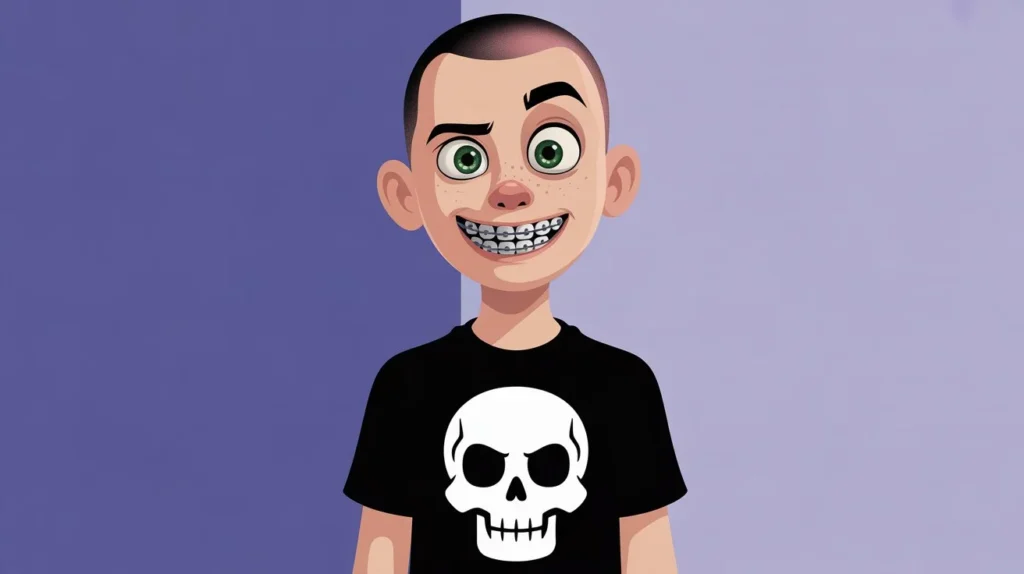
Among Pixar’s vast gallery of memorable characters, few have left as lasting an impression as Sid Phillips from the original Toy Story. As Andy’s troubled next-door neighbor in the groundbreaking 1995 film, Sid serves as the franchise’s first human antagonist and remains one of animation’s most recognizable childhood villains. His black skull shirt, maniacal grin, and toy-destroying antics have made him an enduring figure in popular culture, continuing to fascinate audiences nearly three decades after his debut.
Understanding Sid’s role extends beyond simply labeling him as a villain. His character represents a complex exploration of childhood behavior, creative expression, and the consequences of not recognizing the value in the objects around us. This comprehensive guide examines Sid’s character design, personality, symbolic meaning, and his iconic visual appearance that has inspired countless Halloween costumes and cosplay recreations. Whether you’re a longtime Toy Story fan, an animation enthusiast, or planning your next costume, this analysis provides everything you need to know about one of Pixar’s most distinctive human characters.
Sid from Toy Story Character Overview
Sidney “Sid” Phillips is an 11-year-old boy who appears as the main antagonist in Pixar’s Toy Story. Voiced by Erik von Detten, Sid lives next door to the film’s protagonist Andy Davis and serves as his direct counterpart in every meaningful way. While Andy treats his toys with love and care, Sid views them as objects to be experimented on, dismantled, and reconstructed into bizarre hybrid creations he calls his “mutant toys.”
Sid’s character appears primarily in the original 1995 Toy Story film, though he makes notable appearances in subsequent franchise entries. In Toy Story 2, he is briefly mentioned by Buzz Lightyear. More significantly, Sid returns in Toy Story 3 as an adult working as a garbage collector, providing a humorous callback that suggests his character has matured over the years while maintaining his love of heavy metal music, evidenced by his continued skull imagery.
The character’s design reflects his role as a troubled kid with destructive tendencies. Sid sports a buzzcut hairstyle, metal braces, pale skin, and typically wears a black t-shirt featuring a prominent white skull design. His physical appearance deliberately contrasts with Andy’s more wholesome, neat presentation. Sid’s bedroom serves as a chaotic workshop filled with tools, dismantled toy parts, explosives, and the results of his unconventional experiments.
From a narrative perspective, Sid functions as both antagonist and catalyst. His actions force Woody and Buzz Lightyear to work together, transforming their rivalry into friendship. More importantly, Sid becomes the only human character in the Toy Story universe who definitively learns that toys are alive, a revelation that traumatizes him into reforming his behavior. This unique knowledge distinguishes Sid from every other human in the franchise and marks a pivotal turning point in the film’s plot.
Sid from Toy Story’s Personality & Symbolism
Understanding Sid’s personality requires examining him through multiple lenses. To the toys in Andy’s room, Sid represents a terrifying force of destruction whose actions threaten their very existence. From a human perspective, however, Sid appears as a creative but troubled child whose behavior suggests deeper family or social issues rather than pure malice.
Sid exhibits several defining personality traits throughout the film. He demonstrates creativity through his toy modifications, even if his methods are destructive. He shows enthusiasm for skateboarding, arcade games, heavy metal music, and explosives. His treatment of his younger sister Hannah ranges from typical sibling teasing to outright bullying, though nothing suggests violence beyond taking and modifying her dolls. Sid’s parents remain largely absent from the narrative, with only brief appearances that hint at a household lacking proper supervision or boundaries.
Directors John Lasseter and Andrew Stanton have stated they don’t consider Sid truly evil, viewing him instead as an unruly child who doesn’t comprehend the pain his actions cause. This interpretation adds nuance to his character. Sid doesn’t know toys are sentient, so from his perspective, he’s simply being creative with inanimate objects. His “experiments” resemble activities many curious children engage in, albeit taken to extremes.
The symbolic significance of Sid’s character operates on multiple levels. He represents the fear all toys have of being discarded, broken, or mistreated. His actions mirror real childhood behaviors of destruction and experimentation, forcing audiences to consider how objects might “feel” if they possessed consciousness. Sid also symbolizes the darker side of imagination—where creativity becomes destructive rather than constructive.
Pixar uses Sid to explore broader themes about respect, empathy, and consequences. When the toys reveal themselves to be alive, Sid’s horror and subsequent promise to reform demonstrates that understanding and awareness can change behavior. His character arc, though brief, suggests that education and empathy matter more than punishment. The fact that Sid appears as a functioning adult in Toy Story 3 implies his childhood trauma led to positive growth rather than lasting psychological damage.
Sid from Toy Story Shirt & Outfit
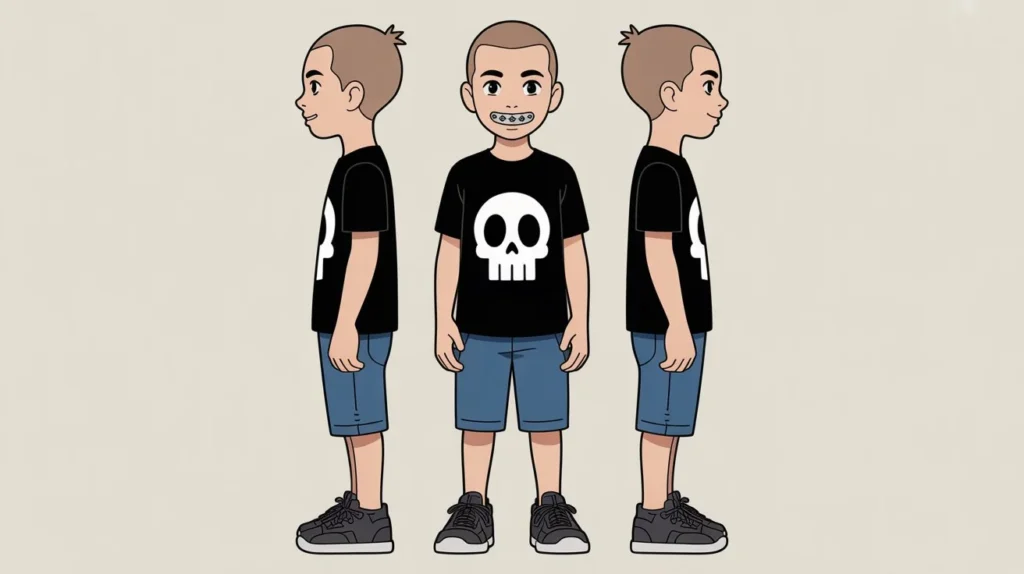
The most instantly recognizable element of Sid’s character design is his black t-shirt featuring a large white skull. This sid from toy story shirt has become iconic in its own right, instantly identifying the character even without additional context. The skull imagery serves multiple symbolic purposes within the film’s visual language.
The skull represents death and destruction, perfectly encapsulating Sid’s relationship with toys. While other children in the Toy Story universe treat toys as companions, Sid treats them as subjects for dissection and modification. The skull acts as a warning label, signaling danger to any toy unfortunate enough to enter his domain. This visual shorthand immediately communicates Sid’s role as an antagonist without requiring dialogue or exposition.
Beyond its narrative function, the skull shirt contributes to Sid’s characterization as a rebellious “skate punk” aesthetic popular in the mid-1990s. Combined with his buzzcut hairstyle, braces, blue jeans, and black sneakers, Sid’s outfit creates a deliberately edgy appearance that contrasts sharply with Andy’s more conventional clothing. The design team intentionally crafted Sid to look like a kid who might have older siblings or early access to teenage culture, explaining his interests in heavy metal music and fireworks.
The shirt’s popularity has extended far beyond the film itself. Official Disney merchandise includes replica Sid skull shirts sold through Disney Store, Spirit Halloween, and various retailers. These sid from toy story shirt replicas allow fans to recreate Sid’s look for Halloween costumes, cosplay events, or simply as collectible Toy Story merchandise. The enduring demand for these shirts nearly three decades after the film’s release demonstrates the lasting impact of Pixar’s character design.
Interestingly, early concept art for Sid featured even more extreme styling, including spiked red hair and a leather jacket. The production team ultimately moderated his appearance to make him more relatable and age-appropriate for the film’s family audience. The final design strikes a balance between rebellious and realistic, creating a character who feels authentically like a troubled kid from any suburban neighborhood.
Sid from Toy Story Smiling – Why It Stands Out
One of the most memorable and unsettling aspects of Sid’s character is his distinctive grin. The image of sid from toy story smiling has become particularly iconic, capturing the character’s gleeful enthusiasm for destruction and experimentation. Pixar’s animation team used Sid’s facial expressions to convey emotion, tension, and personality in ways that pushed the boundaries of early computer animation.
Sid’s smile appears most prominently in scenes where he’s planning or executing his toy modifications. His wide, eager grin combined with his metal braces creates a simultaneously childlike and menacing appearance. This duality makes Sid memorable—he’s clearly just a kid having fun, but his idea of fun involves actions that horrify the sentient toys around him. The disconnect between his innocent enthusiasm and his destructive actions creates tension throughout the film.
From a technical perspective, Sid’s facial animation represented significant achievements in Pixar’s early CGI work. Toy Story was the first fully computer-animated feature film, and creating believable human characters posed enormous challenges. The animators studied real children’s expressions and movements to capture authentic facial performances. Sid’s various expressions—from excitement to confusion to terror—demonstrate the studio’s emerging mastery of digital character animation.
The scene where Sid’s smile transforms into sheer terror remains one of Toy Story’s most memorable moments. When Woody reveals that toys are alive and the mutant toys surround Sid in coordinated fashion, his expression shifts from confidence to horror in seconds. This transition showcases both the character’s emotional range and Pixar’s ability to communicate complex feelings through animated performance. The image of Sid’s terrified face has become nearly as iconic as his confident grin.
Sid’s smile also served to establish patterns that Pixar would refine in later films. The studio became known for creating antagonists whose expressions reveal their motivations and internal states. Sid’s gleeful grins when planning his next experiment make his character transparent—audiences immediately understand what he’s thinking and feeling, even when he’s not speaking.
Sid from Toy Story Costume Guide
Creating a sid from toy story costume has become increasingly popular for Halloween, cosplay events, and themed parties. The character’s distinctive appearance makes him instantly recognizable while remaining relatively simple to recreate. Here’s a comprehensive breakdown of how to assemble an authentic Sid Phillips costume.
The Essential Components:
The skull t-shirt forms the costume’s foundation. Official licensed replicas are available from Disney Store, Spirit Halloween, Amazon, and various costume retailers. These shirts feature the white skull design on black fabric, matching Sid’s on-screen appearance. Alternative options include creating a custom design or finding similar skull shirts and modifying them to match the film’s specific design.
For the lower half, Sid wears blue denim shorts or jeans. Standard blue jeans work perfectly, and can be cut into shorts if desired to match his summer outfit in the film. The specific shade matters less than the overall casual, worn appearance. Sid’s clothes suggest a kid who plays hard and doesn’t worry much about his appearance.
Black sneakers or similar casual shoes complete the basic outfit. The exact style isn’t crucial—any black athletic or skate-style shoes capture the right aesthetic. Converse-style sneakers work particularly well and fit the 1990s suburban kid vibe.
Key Details:
Sid’s metal braces are perhaps his most distinctive facial feature. Costume braces or orthodontic-style accessories can be purchased from costume shops or created using safe, non-toxic materials. These add immediate authenticity to the costume and help ensure people recognize the character even without the skull shirt.
The hairstyle requires attention for accuracy. Sid sports a short buzzcut, so those committed to authenticity might consider a temporary haircut or invest in a quality buzzcut wig. Alternatively, slicking hair back or wearing it very short captures the general spirit of the character.
Optional Additions:
For those wanting to go beyond the basics, several accessories enhance the costume’s authenticity. A toy or two—preferably ones that look slightly damaged or modified—make excellent props that immediately signal who you’re portraying. Carrying a dismantled action figure or one of Sid’s “mutant toys” adds visual interest and conversation starters.
Sid’s backpack appears briefly in the film with distinctive markings, including a drawing of a three-eyed mutant ant and the phrase “Julie Mcbarfle has cooties.” Recreating these details on a standard black backpack adds depth for serious cosplayers.
Some costumers even create props representing Sid’s tools or the explosive devices he uses in the film, though any replica weapons or explosives should clearly appear fake and follow venue safety regulations.
Why Sid Costumes Remain Popular:
The sid from toy story costume appeals to fans for several reasons. It’s recognizable to multiple generations, works for various ages, remains relatively affordable to assemble, and allows wearers to embrace the “villain” role in a family-friendly way. The costume also pairs well with group efforts—friends can dress as other Toy Story characters, creating a full ensemble.
Parents particularly appreciate that Sid costumes work for children without being scary or inappropriate. Despite being the antagonist, Sid remains a kid character from a beloved children’s film, making the costume suitable for school events and family gatherings where more frightening villain costumes might be discouraged.
Pictures of Sid from Toy Story
When searching for pictures of sid from toy story, fans typically seek several distinct types of imagery, each serving different purposes and offering unique insights into the character’s design and role within the film.
Movie Stills and Screenshots:
The most common images are direct captures from the film itself. These pictures show Sid in various scenes, expressions, and situations throughout Toy Story. Key moments frequently captured include Sid’s first appearance blowing up Combat Carl with an M-80 explosive, his work modifying toys in his bedroom, his scenes at Pizza Planet arcade, and most memorably, his terrified reaction when the toys reveal themselves to be alive. These screenshots provide the most accurate reference for costume creation, character analysis, or simple nostalgia.
Concept Art and Development Materials:
Pixar occasionally releases behind-the-scenes materials showing Sid’s evolution during production. Early concept sketches reveal the more extreme designs considered before the final version, including the rejected red-spiked hair and leather jacket look. Character sheets show Sid from multiple angles, providing comprehensive views of his design. These materials interest animation students, artists, and fans curious about the creative process behind bringing characters to life.
Promotional Images:
Disney and Pixar created promotional artwork featuring Sid for marketing materials, poster designs, and merchandise packaging. These images often present more polished or stylized versions of the character compared to actual film frames. Promotional art tends to emphasize Sid’s antagonistic role, frequently showing him with his signature grin or surrounded by his mutant toy creations.
Comparison and Analysis Images:
Fan-created content often juxtaposes Sid with other characters, particularly Andy, to highlight their contrasting relationships with toys. Side-by-side comparisons of young Sid from the original film with adult Sid from Toy Story 3 demonstrate the character’s growth and the consistency of Pixar’s design across nearly 15 years. These analytical images help audiences appreciate the thought and detail invested in every character.
Merchandise and Costume References:
Given the popularity of Sid costumes, many search results show people wearing Sid-inspired outfits or displaying Sid merchandise. These pictures help fans planning their own costumes see how the character translates into real-world fashion and what works effectively for cosplay.
The preservation of Sid’s appearance throughout Toy Story history demonstrates Pixar’s attention to character continuity. Even in his brief Toy Story 3 appearance, adult Sid retains recognizable features—his facial structure, his love of skull imagery, and his general aesthetic all remain consistent with his childhood appearance. This consistency allows audiences to immediately recognize him despite the 15-year time jump within the film’s narrative.
Frequently Asked Questions
Who is Sid in Toy Story?
Sid Phillips is the main antagonist of the original Toy Story film. He is Andy’s 11-year-old next-door neighbor who enjoys dismantling toys and reconstructing them into bizarre hybrid creations. Voiced by Erik von Detten, Sid serves as a foil to Andy’s loving treatment of toys and becomes the only human character who learns that toys are sentient beings.
Why is Sid considered the villain in Toy Story?
Sid is considered the villain because his actions directly threaten the film’s toy protagonists. He dismantles toys, creates frightening hybrid creatures, and plans to blow up Buzz Lightyear with a rocket. However, directors John Lasseter and Andrew Stanton note that Sid isn’t truly evil—he’s simply a creative but troubled child who doesn’t know toys are alive and therefore doesn’t understand the consequences of his actions.
What shirt does Sid wear in Toy Story?
Sid wears a black t-shirt with a prominent white skull design on the front. The skull imagery symbolizes his destructive relationship with toys and contributes to his rebellious “skate punk” aesthetic. This iconic shirt has become synonymous with the character and is widely available as official Disney merchandise for fans and costume enthusiasts.
Why is Sid’s smile so memorable?
Sid’s grin is memorable because it combines childlike enthusiasm with menacing intent, creating an unsettling juxtaposition. His wide smile, emphasized by metal braces, appears most prominently when he’s planning or executing his toy experiments. The contrast between his innocent appearance and destructive actions creates lasting tension throughout the film. Additionally, his smile’s transformation into terror when toys reveal themselves alive represents one of Toy Story’s most iconic moments.
How to dress as Sid from Toy Story?
To create a Sid costume, you need: a black t-shirt with a white skull design, blue jeans or denim shorts, black sneakers, and fake metal braces. A short buzzcut or buzzcut wig completes the look. Optional additions include carrying modified or dismantled toy props, recreating his distinctive backpack, and adding temporary tattoos or accessories that reflect his edgy aesthetic. The costume works well for Halloween, cosplay events, or Toy Story-themed parties.
What happened to Sid after Toy Story?
Sid appears briefly in Toy Story 3 as an adult working as a garbage collector. He arrives at Andy’s house to collect trash and can be heard singing along to music, still wearing clothing with skull imagery. His appearance suggests he’s matured into a functioning adult, though his continued interest in skulls and heavy metal indicates he’s retained elements of his childhood personality.
Does Sid appear in other Toy Story movies?
Sid’s primary appearance is in the original Toy Story. He’s mentioned briefly by Buzz in Toy Story 2 and makes a cameo as an adult garbage collector in Toy Story 3. He also appears in Toy Story: The Musical aboard Disney Cruise Line ships and has featured in various Toy Story comic book adaptations, most notably in Monsters, Inc. Laugh Factory comics where he breaks into the monster world.
Read More: Who Is the Most Powerful Anime Character? A Definitive Analysis
Read More: Who Is the Strongest Anime Character? Best Analysis By Toonstream 2026