Anime Genres Explained: A Complete Guide to Types of Anime
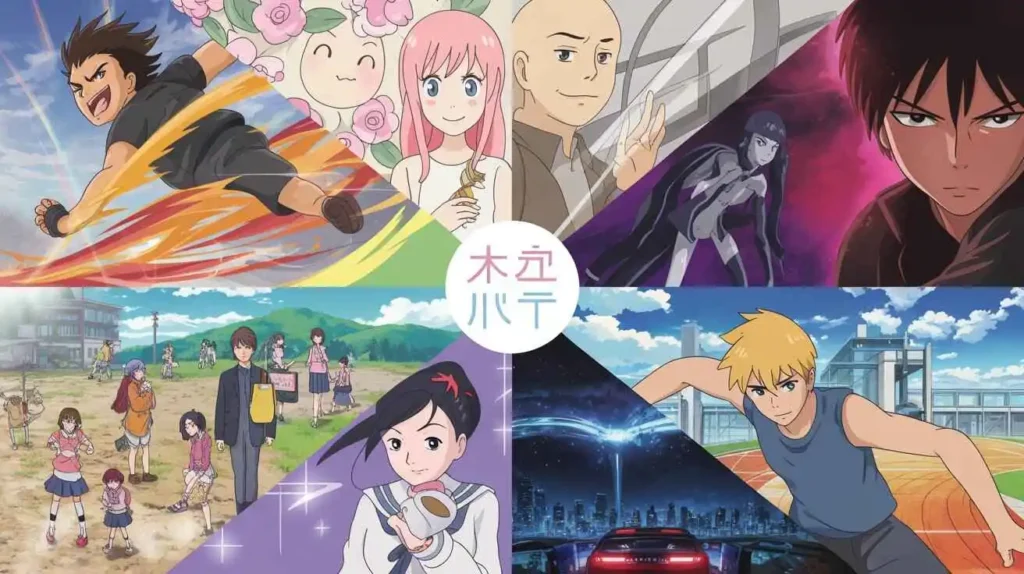
Anime encompasses far more than a single style or audience. Unlike Western animation, which is often categorized primarily by age appropriateness, anime genres reflect complex classification systems based on target demographics, narrative themes, emotional tones, and cultural contexts. Understanding these genres of anime helps viewers navigate the vast landscape of Japanese animation and discover content that matches their interests and maturity levels.
The anime industry employs a sophisticated categorization system that goes beyond simple plot descriptions. A single series might combine multiple genre elements—action-packed shōnen adventure with romantic subplots, psychological thriller elements within a fantasy setting, or slice-of-life comedy merged with science fiction concepts. This genre-blending flexibility makes anime uniquely versatile as a storytelling medium.
For newcomers exploring different anime genres, this classification system might initially seem overwhelming. Terms like “shōnen,” “seinen,” “isekai,” and “mecha” carry specific cultural meanings that don’t always translate directly to Western genre conventions. However, understanding these categories unlocks deeper appreciation for how anime addresses diverse audiences with content ranging from children’s educational programming to mature psychological dramas.
This comprehensive guide explores the major types of anime genres, explaining their defining characteristics, target audiences, and cultural significance. Whether you’re a curious beginner or an experienced fan seeking to understand anime’s categorical landscape, this resource provides the foundation for navigating Japanese animation’s rich diversity.
How Anime Genres Are Classified
Anime classification operates on multiple simultaneous levels, creating a nuanced system that Western viewers might find unfamiliar.
Demographic Categories: The primary classification system divides anime by target audience age and gender. These demographic labels—shōnen (boys), shōjo (girls), seinen (young men), josei (young women), and kodomo (children)—originally reflected manga magazine readership but now indicate content maturity, thematic focus, and storytelling approaches.
Narrative Themes: Beyond demographics, anime genres describe core story elements like action, romance, comedy, horror, or mystery. These thematic categories function similarly to Western genre conventions but often combine in ways that create distinctive hybrid styles.
Setting and Concepts: Certain genres define themselves through specific settings or narrative frameworks. Isekai (parallel world), mecha (giant robots), and magical girl represent conceptual categories that transcend simple plot descriptions.
Emotional Tone and Subject Matter: Some classifications describe the emotional experience or subject complexity. Psychological anime explores mental states and philosophical questions, while slice-of-life focuses on everyday experiences with minimal dramatic conflict.
Cultural and Historical Evolution: Anime genres reflect Japanese cultural values, historical periods, and evolving social attitudes. Understanding this context enriches genre comprehension beyond surface-level plot categorization.
Modern anime frequently blends multiple genre elements, creating sophisticated narratives that defy single-category classification. A series might combine shōnen action demographics with seinen psychological depth, or merge isekai fantasy with slice-of-life comedy. This genre flexibility represents one of anime’s greatest creative strengths.
Complete Anime Genres List
Shōnen (少年) – Boys’ Anime
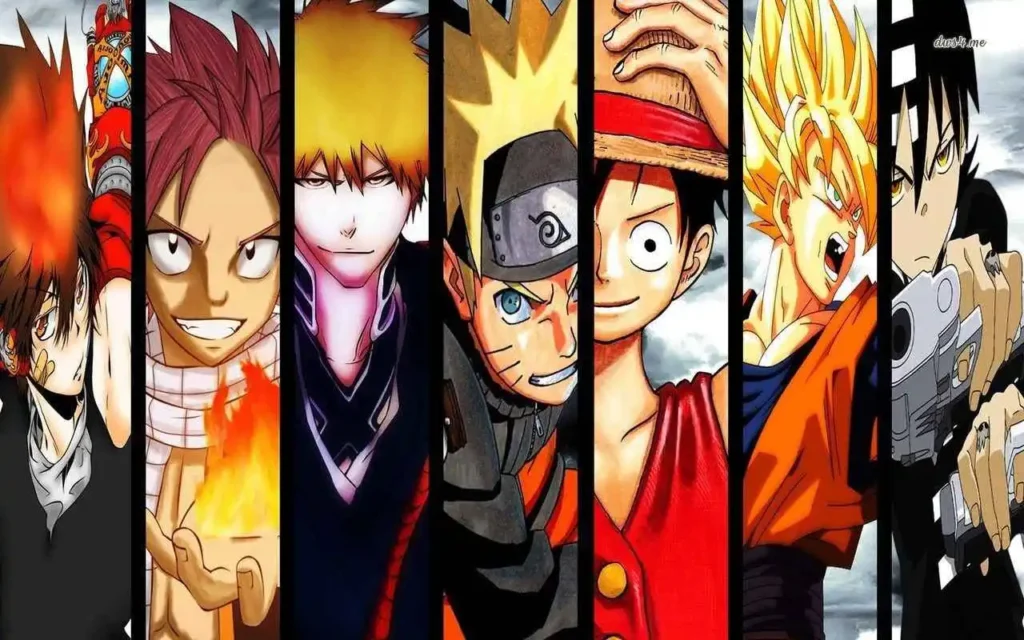
Shōnen represents the most commercially successful and globally recognized anime demographic, originally targeting boys aged 12-18 but now enjoying broad cross-gender and cross-age appeal.
Defining Characteristics:
- Action-oriented narratives with combat or competition
- Themes of friendship, perseverance, and self-improvement
- Coming-of-age journeys and mentor relationships
- Tournament arcs and escalating power systems
- Moral lessons about teamwork and determination
Target Audience: Primarily adolescent boys, but widely enjoyed across demographics
Notable Examples: Naruto, One Piece, My Hero Academia, Dragon Ball, Demon Slayer
Shōnen anime emphasizes personal growth through challenges, often featuring protagonists who overcome obstacles through determination and friendship. The genre established many conventions now associated with anime globally—transformation sequences, power-up moments, and bonds forged through battle. While action dominates, successful shōnen series incorporate emotional depth, character development, and thematic complexity that transcends simple adventure narratives.
Shōjo (少女) – Girls’ Anime
Shōjo anime targets young female audiences with emphasis on emotional relationships, personal identity, and internal character development.
Defining Characteristics:
- Romance and interpersonal relationship focus
- Emotional introspection and character psychology
- Distinctive visual style with expressive emotions
- Coming-of-age and self-discovery themes
- Complex female protagonists
Target Audience: Primarily adolescent girls, with significant cross-demographic appeal
Notable Examples: Sailor Moon, Fruits Basket, Ouran High School Host Club, Cardcaptor Sakura
Shōjo anime pioneered many storytelling techniques now common across anime genres, including internal monologue narration, symbolic visual metaphors, and nuanced exploration of emotional states. While romance features prominently, the genre encompasses diverse narratives including magical girl adventures, historical drama, and psychological character studies. Modern shōjo increasingly features strong, independent protagonists who pursue personal goals beyond romantic relationships.
Seinen (青年) – Young Men’s Anime
Seinen targets adult male audiences with mature themes, complex narratives, and sophisticated character psychology that distinguishes it from shōnen’s more straightforward approach.
Defining Characteristics:
- Mature themes and moral ambiguity
- Psychological complexity and philosophical questions
- Realistic violence and consequences
- Nuanced character development
- Social commentary and cultural critique
Target Audience: Young adult men (18-40), though content appeals across demographics
Notable Examples: Berserk, Monster, Vinland Saga, Parasyte, Tokyo Ghoul
Seinen anime explores darker themes with greater narrative sophistication than demographic categories targeting younger viewers. Stories examine human psychology, societal systems, existential questions, and moral complexity without simplified resolutions. The genre includes diverse subgenres from psychological thrillers to workplace dramas, unified by mature content treatment and assumption of audience sophistication.
Josei (女性) – Women’s Anime
Josei addresses adult female audiences with realistic portrayals of romance, career challenges, and life complexities often absent from shōjo’s more idealized narratives.
Defining Characteristics:
- Realistic romantic relationships and sexuality
- Career and workplace narratives
- Adult life challenges and social pressures
- Psychological depth and emotional nuance
- Mature female perspectives
Target Audience: Adult women (18-40)
Notable Examples: Nana, Paradise Kiss, Princess Jellyfish, Nodame Cantabile
Josei anime examines adult women’s lives with honesty about relationship complexities, career struggles, and social expectations. Unlike shōjo’s coming-of-age focus, josei addresses established adult identities navigating work, romance, friendship, and family with mature perspectives. The genre remains underrepresented compared to other demographics but offers some of anime’s most emotionally sophisticated storytelling.
Kodomo (子供) – Children’s Anime
Kodomo encompasses anime designed specifically for young children with age-appropriate content, educational elements, and simple narratives.
Defining Characteristics:
- Simple, clear narratives
- Educational content and moral lessons
- Bright, appealing visual styles
- Positive messages about friendship and kindness
- Minimal violence or complex themes
Target Audience: Children ages 12 and under
Notable Examples: Doraemon, Pokémon, Yo-kai Watch, Hamtaro
Kodomo anime focuses on entertaining while teaching basic social skills, moral values, and educational content. These series often feature episodic structures with self-contained stories, making them accessible for young viewers. Many kodomo properties become multi-generational franchises, introducing children to anime fandom early.
Isekai (異世界) – Parallel World
Isekai describes narratives where characters transport from ordinary reality into fantasy or parallel worlds, becoming one of the most popular modern anime genres.
Defining Characteristics:
- Transportation to fantasy or alternate worlds
- Protagonists gaining special powers or knowledge
- RPG-inspired game mechanics and systems
- Fish-out-of-water comedy and adventure
- Power fantasy elements
Target Audience: Varies by specific series, often shōnen or seinen demographics
Notable Examples: Sword Art Online, Re:Zero, That Time I Got Reincarnated as a Slime, Konosuba
Isekai exploded in popularity during the 2010s, reflecting changing media consumption patterns and gaming culture influence. The genre appeals to escapist fantasies while exploring themes of identity, purpose, and adaptation. Critics note oversaturation in recent years, though innovative series continue finding fresh approaches to the parallel world concept.
Mecha (メカ) – Giant Robot
Mecha anime centers on giant robots or mechanical suits, combining action spectacle with themes ranging from war’s psychological toll to technological ethics.
Defining Characteristics:
- Giant robots or mechanical armor
- Military conflict and strategic warfare
- Technological speculation
- Pilot-machine relationship dynamics
- War’s human cost
Target Audience: Primarily shōnen and seinen demographics
Notable Examples: Neon Genesis Evangelion, Mobile Suit Gundam, Code Geass, Gurren Lagann
Mecha anime subdivides into “super robot” (fantastical, heroic robots) and “real robot” (military realism and political complexity). The genre has produced some of anime’s most philosophically ambitious works, using giant robot conflicts as metaphors for human psychology, war’s futility, and technological responsibility.
Slice of Life (日常系/Nichijō-kei)
Slice-of-life anime focuses on everyday experiences with minimal dramatic conflict, emphasizing mundane moments and character interactions.
Defining Characteristics:
- Everyday situations and routines
- Character-driven rather than plot-driven
- Gentle, relaxing pacing
- Observational humor
- Appreciation for ordinary moments
Target Audience: Varies widely; appeals across demographics
Notable Examples: K-On!, March Comes in Like a Lion, Barakamon, Non Non Biyori
Slice-of-life anime celebrates the beauty in ordinary experiences—school clubs, workplace interactions, seasonal changes, and daily routines. The genre provides contemplative alternatives to action-heavy narratives, offering viewers relaxation and emotional connection through relatable situations. Japanese term “iyashikei” (healing anime) describes particularly calming slice-of-life series.
Romance (恋愛/Ren’ai)
Romance anime centers on developing romantic relationships, ranging from lighthearted comedies to dramatic love stories.
Defining Characteristics:
- Romantic relationship development
- Emotional vulnerability and connection
- Relationship obstacles and misunderstandings
- Confession and relationship milestone moments
- Various romance structures (love triangles, slow burn, etc.)
Target Audience: Crosses all demographics with variations in maturity level
Notable Examples: Toradora!, Your Lie in April, Kaguya-sama: Love is War, Clannad
Romance elements appear across nearly all anime genres but standalone romance series focus specifically on relationship development. The genre ranges from idealized shōjo romances to realistic josei explorations of adult relationships, with varying approaches to sexuality, emotional complexity, and relationship dynamics.
Action (アクション)
Action anime emphasizes physical combat, adventure, and dynamic movement, often overlapping with shōnen demographic targeting.
Defining Characteristics:
- Combat-focused narratives
- Dynamic animation and choreography
- Power systems and abilities
- Training and growth arcs
- Good versus evil conflicts
Target Audience: Primarily shōnen and seinen, with broad appeal
Notable Examples: Attack on Titan, Fullmetal Alchemist: Brotherhood, Jujutsu Kaisen, Hunter x Hunter
Action anime showcases Japanese animation’s strengths in dynamic movement and creative combat choreography. Modern action series increasingly combine spectacular fight sequences with complex narratives, character development, and thematic depth, elevating the genre beyond simple spectacle.
Horror (ホラー)
Horror anime explores fear through supernatural threats, psychological terror, or disturbing scenarios, ranging from atmospheric dread to graphic violence.
Defining Characteristics:
- Fear and tension as primary emotions
- Supernatural or psychological threats
- Atmospheric worldbuilding
- Mortality and vulnerability themes
- Disturbing imagery or concepts
Target Audience: Primarily seinen, with varying intensity levels
Notable Examples: Another, Higurashi: When They Cry, The Promised Neverland, Parasyte
Horror anime employs animation’s flexibility to create disturbing imagery and surreal atmospheres impossible in live-action. The genre ranges from psychological terror examining human nature to supernatural horror featuring ghosts, demons, and otherworldly threats. Japanese horror traditions influence anime horror’s emphasis on atmosphere over jump scares.
Sports (スポーツ)
Sports anime dramatizes athletic competition, using sports as vehicles for character development, team dynamics, and personal growth narratives.
Defining Characteristics:
- Competitive sports focus
- Team dynamics and rivalry
- Training and improvement arcs
- Detailed sport mechanics
- Passion and dedication themes
Target Audience: Primarily shōnen, with some seinen and josei series
Notable Examples: Haikyuu!!, Slam Dunk, Ping Pong the Animation, Yuri!!! on Ice
Sports anime makes athletic competition emotionally engaging through character psychology, strategic complexity, and dynamic animation. The genre demonstrates that any sport—from volleyball to figure skating—can anchor compelling narratives when filtered through anime’s character-driven storytelling approach.
Fantasy (ファンタジー)
Fantasy anime incorporates magical elements, mythical creatures, and supernatural worldbuilding into diverse narrative frameworks.
Defining Characteristics:
- Magic systems and supernatural elements
- Mythical creatures and fantasy races
- World-building and lore
- Quest narratives and adventures
- Medieval or original world settings
Target Audience: Crosses all demographics
Notable Examples: Fairy Tail, Fate/stay night, Made in Abyss, The Ancient Magus’ Bride
Fantasy anime ranges from high fantasy with elaborate magic systems to urban fantasy blending supernatural elements with contemporary settings. The genre’s flexibility allows creators to develop unique worlds with distinct rules, creating immersive settings for character-driven narratives.
Science Fiction (SF/サイエンスフィクション)
Science fiction anime explores technological speculation, space exploration, artificial intelligence, and humanity’s future through scientific concepts.
Defining Characteristics:
- Advanced technology and scientific concepts
- Space exploration and alien encounters
- Artificial intelligence and robotics
- Dystopian or utopian futures
- Philosophical questions about humanity
Target Audience: Primarily seinen, though spans demographics
Notable Examples: Steins;Gate, Cowboy Bebop, Ghost in the Shell, Planetes
Science fiction anime has produced some of the medium’s most intellectually ambitious works, examining consciousness, identity, technological ethics, and humanity’s future. The genre demonstrates anime’s capacity for complex philosophical exploration through speculative storytelling.
Comedy (コメディ)
Comedy anime prioritizes humor through various comedic styles—slapstick, situational, parody, romantic comedy, or absurdist humor.
Defining Characteristics:
- Humor as primary focus
- Various comedy styles and techniques
- Exaggerated expressions and reactions
- Timing and pacing for comedic effect
- Often combined with other genres
Target Audience: Universal appeal across demographics
Notable Examples: Gintama, The Disastrous Life of Saiki K., Nichijou, Konosuba
Comedy anime showcases animation’s flexibility for exaggerated expressions, timing manipulation, and visual gags impossible in live-action. Japanese comedy traditions influence anime humor, though successful comedy series often transcend cultural boundaries through universal situations and character-based humor.
Understanding Anime Genre Combinations
Modern anime rarely restricts itself to single genre classifications. The most successful and critically acclaimed series combine multiple genre elements, creating sophisticated narratives that appeal to diverse audiences.
A series might blend shōnen action demographics with seinen psychological complexity (Attack on Titan), combine slice-of-life with fantasy (The Ancient Magus’ Bride), or merge comedy with horror (Zombie Land Saga). This genre flexibility represents anime’s creative strength, allowing creators to subvert expectations and develop unique storytelling voices.
Understanding different anime genres helps viewers navigate this complexity, identifying series that match their interests while remaining open to genre-blending innovations that define anime’s cutting edge.
FAQ’s:
What are the main anime genres?
The main anime genres include demographic categories (shōnen, shōjo, seinen, josei, kodomo) and thematic genres (action, romance, fantasy, science fiction, horror, comedy, slice-of-life, sports). Additionally, conceptual genres like isekai (parallel world) and mecha (giant robots) represent popular subcategories. Most anime combine multiple genre elements rather than fitting single classifications.
How many anime genres are there?
Anime encompasses dozens of distinct genres and subgenres. The primary demographic categories include five main types (shōnen, shōjo, seinen, josei, kodomo), while thematic genres number in the dozens when including specific subcategories. The exact count varies because anime frequently blends multiple genres, and new genre classifications emerge as the medium evolves.
What’s the difference between shōnen and seinen anime?
Shōnen targets adolescent boys (ages 12-18) with action-focused narratives, themes of friendship and perseverance, and straightforward moral frameworks. Seinen targets adult men (18+) with mature themes, moral ambiguity, psychological complexity, and realistic consequences. While shōnen emphasizes growth through challenges, seinen explores darker human psychology and sophisticated philosophical questions.
What are the most popular anime genres?
The most popular anime genres globally include shōnen (action-adventure for boys), isekai (parallel world fantasy), romance, fantasy, and slice-of-life. Shōnen series like Naruto, One Piece, and My Hero Academia achieve massive international success. Isekai experienced explosive popularity in the 2010s-2020s. Popularity varies by region and demographic, with different genres dominating in Japan versus international markets.
What anime genre should beginners start with?
Beginners should start with genres matching their existing entertainment preferences. Action fans might enjoy accessible shōnen series like My Hero Academia or Demon Slayer. Those preferring character-driven stories could try slice-of-life like K-On! or romance like Toradora!. Fantasy enthusiasts might appreciate isekai like Sword Art Online. Starting with critically acclaimed, broadly appealing series helps newcomers understand anime’s range before exploring niche genres.
What is isekai anime?
Isekai (異世界, “parallel world”) is an anime genre where characters transport from ordinary reality into fantasy or alternate worlds. Protagonists typically gain special abilities or knowledge, often in RPG-inspired settings. The genre exploded in popularity during the 2010s, becoming one of anime’s most produced categories. Examples include Sword Art Online, Re:Zero, and That Time I Got Reincarnated as a Slime.
Are anime genres the same as Western genres?
No. While some overlap exists (action, romance, horror), anime uses demographic-based classification (shōnen, seinen, shōjo, josei) that Western media doesn’t employ. Anime also features concept-based genres like isekai and mecha that don’t have direct Western equivalents. Japanese cultural context influences genre conventions, storytelling approaches, and thematic emphasis differently than Western genre traditions.
Can anime belong to multiple genres?
Yes. Most anime combines multiple genre elements. A series might be demographically shōnen while incorporating action, fantasy, and comedy elements. Genre-blending is common and often defines anime’s most successful series. Attack on Titan combines shōnen demographics with seinen psychological complexity and horror elements. Understanding that anime uses layered genre classification helps viewers appreciate its narrative sophistication.
Read More: Who Is the Most Powerful Anime Character? A Definitive Analysis
Read More: Who Is the Strongest Anime Character? Best Analysis By Toonstream 2026