2000s Animated Movies: Best Films from the Early 2000s Era
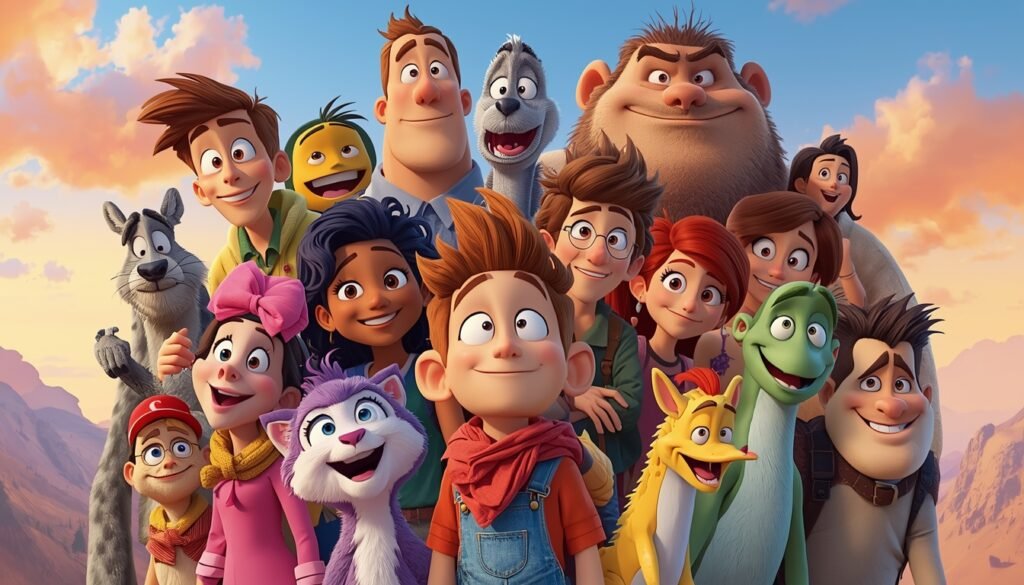
The 2000s marked a revolutionary decade for animated cinema, forever transforming how families experienced storytelling on screen. This era witnessed the triumphant rise of computer-generated imagery alongside the twilight of traditional hand-drawn animation, creating a unique blend of artistic approaches that defined early 2000s animated movies. Studios like Pixar, DreamWorks, and Disney competed to deliver increasingly sophisticated narratives that appealed to children and adults alike, elevating animation from simple entertainment to genuine artistic achievement.
The decade began with dinosaurs and ended with robots, spanning technological innovation, emotional depth, and cultural phenomena that transcended the theater. Animated movies from the 2000s introduced audiences to unforgettable characters, quotable dialogue, and groundbreaking visual effects that set new industry standards. These films didn’t just entertain—they sparked conversations about family, friendship, identity, and belonging that resonated across generations.
Whether you grew up watching these films or are discovering them for the first time, understanding the landscape of 2000s animation provides insight into how modern family entertainment evolved into the sophisticated medium we know today.
Defining the 2000s Animation Era
The transition from the 1990s to the 2000s represented a pivotal shift in animation technology and storytelling philosophy. While the 1990s belonged to Disney’s Renaissance period with hand-drawn classics, the new millennium ushered in the CGI revolution that would dominate the industry.
Technological Transformation
Pixar led the charge after proving computer animation’s viability with Toy Story in 1995. By 2000, CGI technology had matured significantly, enabling more realistic textures, lighting effects, and character expressions. Studios invested heavily in rendering technology, allowing filmmakers to create expansive worlds with unprecedented detail. Traditional hand-drawn animation didn’t disappear immediately—films like Lilo & Stitch (2002) and The Princess and the Frog (2009) represented Disney’s continued commitment to the art form—but the industry trajectory clearly favored digital production.
Studio Competition and Innovation
DreamWorks Animation emerged as Pixar’s primary competitor, developing a distinct voice characterized by pop culture references, celebrity voice casting, and irreverent humor that differentiated their films from Pixar’s more earnest approach. Disney navigated identity challenges as their traditional animation faced declining box office returns. Blue Sky Studios, Sony Pictures Animation, and international producers from Japan and Europe contributed diverse perspectives, enriching the global animation landscape.
Storytelling Evolution
Early 2000s animated movies embraced more complex narratives and mature themes while maintaining family-friendly accessibility. Films tackled concepts like mortality, identity crises, environmental destruction, and social acceptance with nuance previously reserved for live-action drama. Humor became multilayered, incorporating jokes for children alongside sophisticated references for adult audiences. This dual-audience approach became the decade’s defining characteristic, proving animation could engage entire families intellectually and emotionally.
Read More: Top 10 Best Animated Movies of All Time: Toy Story, Spirited Away & More
Best Animated Movies from the 2000s
The 2000s produced numerous animated classics that continue influencing filmmakers today. These selections represent the decade’s finest achievements across different studios, styles, and storytelling approaches.
Monsters, Inc. (Pixar, 2001)
Pixar’s imaginative exploration of the monster world hiding in children’s closets combined technical brilliance with genuine heart. The film introduced Sulley and Mike, whose mission to return a human child home while uncovering corporate corruption provided both comedy and emotional resonance. The revolutionary fur simulation technology showcased Pixar’s technical leadership, while the heartfelt relationship between Sulley and Boo delivered touching moments that elevated the film beyond visual spectacle. The movie’s themes about confronting fear and finding courage resonated universally, making it an instant classic.
Shrek (DreamWorks, 2001)
DreamWorks’ irreverent fairy tale deconstruction became a cultural phenomenon, winning the first Academy Award for Best Animated Feature. Shrek subverted traditional fairy tale conventions with self-aware humor, celebrity voice performances, and a protagonist who challenged conventional hero archetypes. The film’s message about inner beauty and acceptance, combined with its clever satire of Disney’s princess formula, struck a chord with audiences tired of predictable narratives. Its success spawned multiple sequels and established DreamWorks as a major animation powerhouse.
Finding Nemo (Pixar, 2003)
This underwater adventure captivated audiences with breathtaking ocean visuals and a touching father-son story. Pixar’s rendering of marine environments set new technical standards, creating believable coral reefs, vast ocean expanses, and diverse sea creatures. Beyond visual achievements, the film explored parental anxiety, disability representation through Nemo’s physical difference, and the importance of letting loved ones grow independently. The movie’s emotional depth combined with adventure elements made it accessible to all ages while delivering a sophisticated narrative about overcoming fear and building trust.
The Incredibles (Pixar, 2004)
Brad Bird’s superhero family drama arrived years before the modern superhero boom, offering mature commentary on mediocrity, family dynamics, and middle-age crisis disguised as an action-adventure. The film’s stylized 1960s aesthetic, jazz-influenced score, and sophisticated themes about exceptionalism and conformity elevated it beyond typical family fare. The Incredibles demonstrated that animated movies from the 2000s could tackle complex adult concerns while maintaining excitement and humor for younger viewers.
Ratatouille (Pixar, 2007)
This elegant tale of a rat aspiring to become a French chef represented Pixar’s most artistically ambitious project. The film celebrated creativity, craftsmanship, and the idea that talent can emerge from unexpected sources. Gorgeous Parisian settings, meticulous attention to culinary detail, and a sophisticated narrative about art criticism made Ratatouille a love letter to artists everywhere. The famous critic’s monologue about artistic vulnerability remains one of animation’s most profound moments.
WALL-E (Pixar, 2008)
Pixar’s bold environmental parable featured minimal dialogue for its first act, trusting visual storytelling to convey a lonely robot’s existence on an abandoned Earth. The film’s commentary on consumerism, environmental degradation, and human dependency on technology felt remarkably prescient. WALL-E’s silent romance with EVE demonstrated animation’s power to communicate emotion without words, while the later sequences aboard the Axiom spaceship provided pointed satire about sedentary lifestyles and corporate control.
Kung Fu Panda (DreamWorks, 2008)
DreamWorks’ martial arts comedy combined spectacular action sequences with genuine wisdom about self-acceptance and perseverance. Po’s journey from noodle shop worker to Dragon Warrior subverted chosen-one narratives by emphasizing that greatness comes from embracing your true self rather than conforming to expectations. The film’s respectful incorporation of Chinese aesthetics and philosophy, combined with dynamic fight choreography, created a visually stunning experience that honored its cultural influences.
Up (Pixar, 2009)
Pixar concluded the decade with perhaps their most emotionally mature film, opening with a wordless montage depicting an entire marriage that reduced audiences worldwide to tears. The adventure story involving a widower, an earnest scout, and a journey to South America became secondary to the film’s meditation on loss, regret, and finding new purpose in life’s final chapters. Up demonstrated how animated movies from the 2000s achieved emotional sophistication rivaling any dramatic film.
Animated Animal Movies of the 2000s
Animal protagonists dominated early 2000s animated movies, reflecting both storytelling advantages and audience preferences that made these characters particularly effective for family entertainment.
Why Animal Characters Thrived
Animals provided universal appeal that transcended cultural boundaries, allowing studios to create globally marketable films. Anthropomorphized creatures offered relatability while maintaining safe emotional distance from heavy themes—audiences could explore difficult topics through animal proxies without the intensity of human characters facing identical situations. Additionally, animal designs allowed for distinctive visual styles and expressive animation that pushed creative boundaries.
Notable Animated Animal Movies 2000s
Ice Age (Blue Sky, 2002) introduced audiences to a prehistoric world where a mammoth, sloth, and saber-tooth tiger formed an unlikely family unit. The film’s humor and heart, combined with the breakout character Scrat and his eternal acorn quest, spawned a successful franchise.
Madagascar (DreamWorks, 2005) explored themes of captivity versus freedom through zoo animals experiencing the wild for the first time. The fish-out-of-water comedy highlighted how environment shapes identity and community.
Happy Feet (Warner Bros., 2006) addressed conformity and environmental concerns through a tap-dancing penguin who couldn’t sing like his colony. The film’s musical numbers and environmental message resonated with audiences seeking substance alongside entertainment.
Horton Hears a Who! (Blue Sky, 2008) adapted Dr. Seuss’s classic tale about an elephant protecting microscopic life, delivering messages about inclusion and the importance of every individual regardless of size or power.
These animated animal movies 2000s consistently emphasized themes of found family, environmental stewardship, and celebrating differences—values that defined the decade’s family entertainment landscape. Animal characters allowed filmmakers to address serious topics with approachability that made complex ideas accessible to younger viewers while maintaining engagement for adults.
The Lasting Legacy of 2000s Animation
Animated movies 2000s established templates that continue influencing modern animation. The decade normalized computer animation as the industry standard, proved animation could achieve critical acclaim alongside commercial success, and demonstrated that family films could deliver sophisticated narratives without sacrificing entertainment value.
The 2000s bridged traditional and modern animation, honoring hand-drawn artistry while embracing digital innovation. Films from this era remain culturally relevant through streaming platforms, introducing new generations to characters and stories that shaped millennial childhood. The emphasis on emotional authenticity, visual innovation, and universal themes ensured these movies transcended their moment, becoming timeless classics that continue resonating with audiences today.
Conclusion
The best animated movies from the 2000s represent a golden age when technological advancement met storytelling maturity, creating films that entertained, moved, and inspired audiences worldwide. From Pixar’s consistently excellent output to DreamWorks’ irreverent alternatives, from touching animal tales to sophisticated human dramas, this decade offered unprecedented variety and quality in family entertainment.
These early 2000s animated movies didn’t just occupy children for ninety minutes—they created shared cultural experiences that families treasured together. They proved animation deserved recognition as a legitimate art form capable of exploring profound themes with intelligence and heart. Whether you’re revisiting childhood favorites or discovering these classics for the first time, the animated films from the 2000s offer rich, rewarding experiences that justify their enduring popularity and influence on modern cinema.
FAQ’s:
What are the best animated movies from the 2000s?
The best animated movies from the 2000s include Finding Nemo (2003), The Incredibles (2004), WALL-E (2008), Up (2009), Ratatouille (2007), and Shrek (2001). These films combined technical innovation, emotional storytelling, and universal themes that appealed to audiences of all ages.
Why were animated animal movies so popular in the 2000s?
Animated animal movies 2000s dominated because animal characters provided universal appeal, allowed studios to explore complex themes through accessible proxies, and enabled distinctive visual styles. Films like Ice Age, Madagascar, and Happy Feet used animal protagonists to address identity, family, and environmental themes in family-friendly ways.
Did hand-drawn animation disappear in the 2000s?
Hand-drawn animation didn’t completely disappear during the 2000s, but CGI became the dominant format. Disney released several traditional animated films including Lilo & Stitch (2002) and The Princess and the Frog (2009), though most major studios shifted resources toward computer animation following Pixar’s success.
Which studio made the best early 2000s animated movies?
Pixar consistently produced critically acclaimed animated movies 2000s with films like Monsters, Inc., Finding Nemo, The Incredibles, Ratatouille, WALL-E, and Up. However, DreamWorks achieved commercial success with Shrek and Kung Fu Panda, while Blue Sky contributed Ice Age, demonstrating that multiple studios created memorable films during this era.
Are 2000s animated movies appropriate for all ages?
Most animated movies from the 2000s were designed for family viewing with content appropriate for children while including themes and humor appealing to adults. However, individual films vary in intensity—some contain mild peril, emotional themes, or complex concepts that parents should consider based on their children’s age and sensitivity.
What made 2000s animation different from earlier decades?
Early 2000s animated movies distinguished themselves through widespread adoption of CGI technology, more sophisticated storytelling that engaged adults alongside children, increased emphasis on emotional depth, and willingness to tackle complex themes like mortality, identity, and social issues within family-friendly frameworks.
Read More: